
Treasury Signals New Tariff Move After Supreme Court Ruling
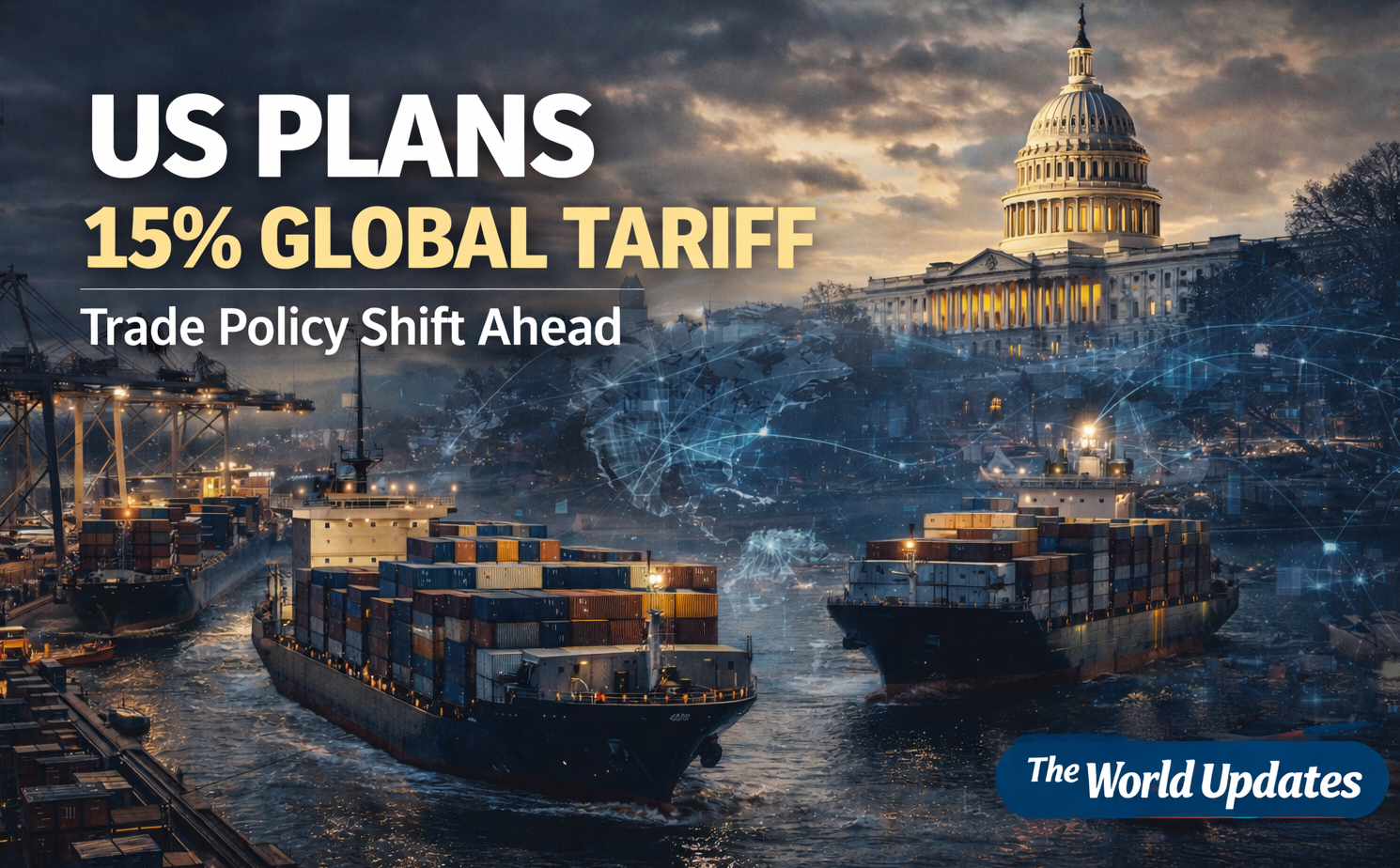
The United States is likely to introduce a 15% global tariff on imports this week, according to Treasury Secretary Scott Bessent, as the administration seeks to restore its trade policy after a recent Supreme Court ruling disrupted earlier measures.
Bessent said the tariff could be implemented soon as the government works to replace sweeping global import taxes introduced last year by former President Donald Trump. The court recently struck down those earlier tariffs, creating uncertainty around future US trade policy.
The White House responded by imposing a temporary 10% tariff on imports, even though Trump had publicly suggested the rate would rise to 15%. The conflicting statements triggered confusion among global markets, businesses, and international trade partners.
Officials say the administration is now preparing the legal framework needed to align tariff rates with earlier policy goals.
White House Seeks to Restore Tariff Strategy
The proposed tariff forms part of a broader effort by the US government to reshape global trade rules and strengthen domestic manufacturing.
White House officials argue that higher import tariffs could help rebalance trade relationships, support American industries, and generate revenue to reduce national debt.
Despite the Supreme Court ruling against the earlier tariff framework, the administration has indicated that it will rely on alternative legal authorities to restore similar policies.
Bessent told CNBC that he believes tariffs will likely return to previous levels within five months.
Officials say the government has already begun preparing documentation needed to implement the revised tariff system.
Section 122 Used to Introduce Temporary Tariffs
To introduce the temporary 10% tariff, the White House used a rarely applied trade authority known as Section 122 of US trade law.
This provision allows the president to impose tariffs of up to 15% without congressional approval for a limited period of 150 days if certain economic conditions apply.
Legal experts say the authority has rarely been used in modern trade policy, making the current move unusual.
However, administration officials believe the measure provides enough flexibility to maintain tariffs while longer-term policies are developed.
Other Trade Laws Could Reinstate Tariffs Permanently
The White House is also considering additional legal tools that could restore the tariff regime more permanently.
These include Section 301, which allows the United States to impose tariffs in response to unfair trade practices, and Section 232, which permits tariffs when imports threaten national security.
Unlike Section 122, these trade tools typically require formal investigations and consultations with businesses before tariffs take effect.
Officials must also provide notice periods and allow public comments before final decisions are made.
While these procedures take more time, they offer stronger legal grounds for long-term trade restrictions.
Global Businesses Seek Clarity on US Trade Policy
The shifting tariff strategy has created uncertainty across global markets.
Businesses and international partners have called for clearer guidance on how US import taxes will evolve in the coming months.
The initial 10% tariff applied broadly across imports, although some products received exemptions.
This move effectively placed exporters from many countries on similar competitive footing in the US market.
Some governments, including the United Kingdom, had hoped to secure favourable tariff arrangements through trade negotiations with Washington.
However, the broad tariff policy reduced the advantage that certain countries expected from those talks.
Trade Policy Could Reshape Global Supply Chains
Economists say the outcome of the tariff debate could significantly reshape global supply chains and international trade flows.
Higher import tariffs could encourage companies to relocate manufacturing operations closer to the United States.
Supporters of the policy argue that such changes could boost domestic production and protect strategic industries.
Critics warn that broad tariffs could raise costs for businesses and consumers while increasing tensions with major trading partners.
Several global leaders have already expressed concern about the potential impact on international trade.
Uncertainty Remains Over Future Tariff Levels
Despite the signals from US officials, key questions remain about how the final tariff policy will look.
Legal challenges could continue as the government attempts to restore or expand import taxes using different trade authorities.
At the same time, policymakers must balance economic goals with international trade commitments and diplomatic considerations.
Bessent said he expects the administration to move quickly to re-establish tariffs while longer-term legal strategies move forward.
The coming weeks may prove critical in determining how the United States reshapes its global trade policy and its role in the international economic system.