
Analysts Say Move Reflects Pragmatic Foreign Policy Strategy
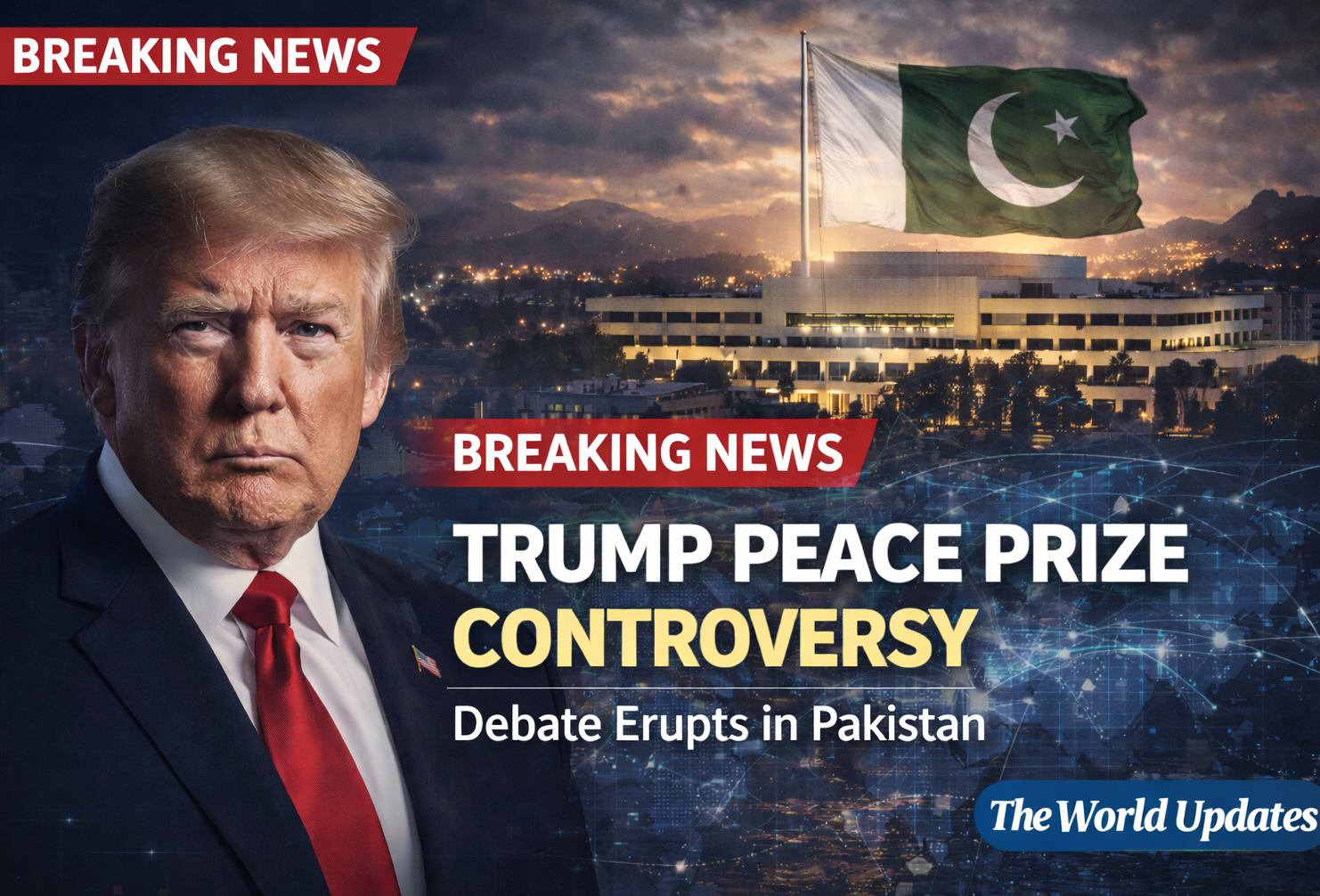
Pakistan’s recent nomination of former US president Donald Trump for the Nobel Peace Prize has sparked strong debate among political analysts and policymakers, with several experts calling the decision controversial while acknowledging the strategic calculations behind Islamabad’s foreign policy approach.
Prime Minister Shehbaz Sharif’s decision to nominate Trump drew criticism across political and diplomatic circles. However, analysts say Pakistan’s outreach to Washington reflects a pragmatic effort to maintain stable relations with the United States during a period of shifting global alliances.
Experts believe the government aims to avoid tensions with a potential future US administration while protecting Pakistan’s economic and diplomatic interests.
Analysts Question Wisdom of Nobel Nomination
Several political analysts have openly criticised the nomination, describing it as politically risky and potentially damaging to Pakistan’s diplomatic credibility.
Senior journalist and analyst Mazhar Abbas questioned the move, noting Washington’s continued support for Israel during the ongoing conflict in Palestine.
He argued that nominating Trump for a peace prize sends a conflicting message regarding Pakistan’s stance on international conflicts.
At the same time, Abbas acknowledged that maintaining working relations with the United States remains strategically important for Pakistan’s economic and diplomatic interests.
He suggested that Islamabad should focus on reducing regional tensions and avoid becoming involved in broader geopolitical confrontations.
Government Balances Relations Between Global Powers
Foreign policy experts say Pakistan currently faces the challenge of balancing relations between major global powers, particularly the United States and China.
Analysts describe the country’s diplomatic strategy as a “tightrope walk,” as Islamabad attempts to maintain productive relations with Washington while preserving its long-standing strategic partnership with Beijing.
China remains Pakistan’s closest economic and strategic partner, especially through projects linked to the China-Pakistan Economic Corridor.
Experts believe Islamabad cannot afford to distance itself from Beijing, even while attempting to stabilise ties with the United States.
Political Leaders Avoid Direct Response
The controversy intensified after videos circulated on social media showing key political leaders being questioned about the nomination.
Pakistan Peoples Party Chairman Bilawal Bhutto Zardari declined to comment directly when asked about the decision.
Punjab Chief Minister Maryam Nawaz also avoided addressing the nomination in detail. Instead, she stated that the prime minister makes decisions in the country’s best interest.
Political observers say the cautious responses suggest that the move has not received strong support across the broader political leadership.
Analysts Say Economic Realities Shape Policy
Former caretaker Punjab chief minister and political analyst Hasan Askari Rizvi offered a more nuanced view of the decision.
He said foreign policy decisions should not always be judged in absolute terms and must be understood within broader economic and diplomatic constraints.
According to Rizvi, Pakistan currently faces limited economic flexibility, which restricts its ability to pursue an entirely independent foreign policy.
He suggested that the nomination may have been largely symbolic while reflecting the government’s effort to maintain stable ties with Washington.
Critics Call Nomination a Diplomatic Blunder
Some analysts were more critical of the move.
Political scientist Rasul Bakhsh Rais described the nomination as a “blunder” that risked undermining the government’s credibility.
However, he also acknowledged that Pakistan’s attempt to maintain balanced relations with both the United States and China remains a sensible diplomatic strategy.
Rais said the coming months could prove crucial for Pakistan’s foreign policy as geopolitical tensions continue to reshape global alliances.
Pakistan’s Foreign Policy Under Global Pressure
Pakistan’s diplomatic decisions come at a time of heightened geopolitical tension across several regions.
Conflicts in the Middle East, shifting alliances between global powers, and economic pressures have complicated foreign policy decisions for many countries.
Experts say Pakistan must carefully manage its relationships with key international partners while avoiding involvement in major regional conflicts.
Analysts also emphasise the importance of maintaining stability in relations with neighbouring countries and global allies.
Strategic Balance Remains Key
Despite the controversy surrounding the Nobel nomination, analysts agree that Pakistan’s broader foreign policy strategy aims to maintain stability and flexibility.
Maintaining constructive relations with Washington while preserving strategic ties with China remains central to Islamabad’s diplomatic approach.
Experts say Pakistan’s leadership will continue navigating complex international dynamics as it seeks to protect national interests in an increasingly uncertain global environment.