
The rapidly expanding Iran War entered its second week on Saturday as tensions intensified across the Middle East. Fresh attacks between Israel, Iran and allied groups increased fears that the conflict could spread into a wider regional war.
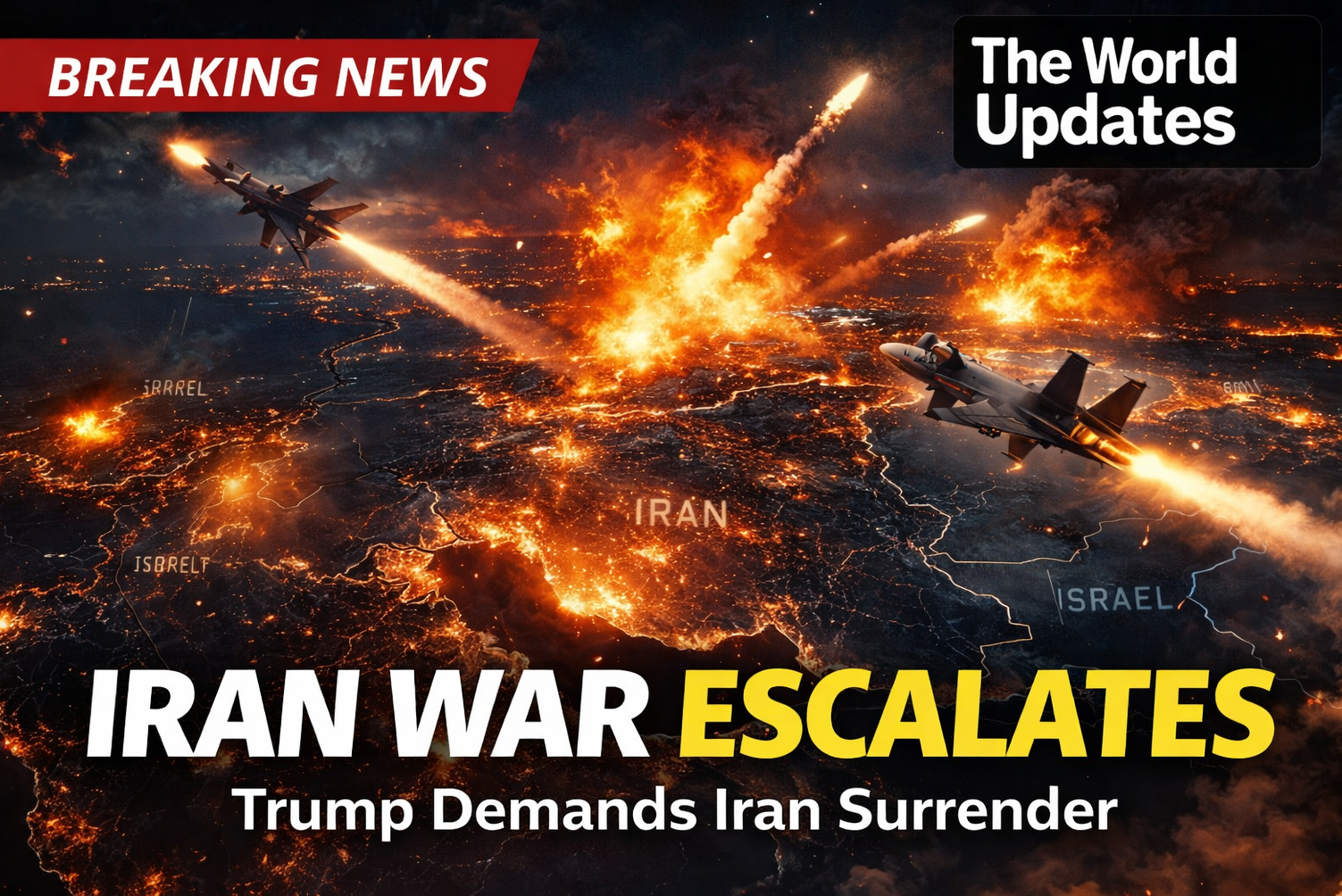
U.S. President Donald Trump raised the stakes by declaring that the United States would only accept Iran’s “unconditional surrender.” His comments came as Israeli forces launched new strikes against Iranian targets while violence spread to Lebanon and several Gulf countries.
The escalating US Iran conflict has already shaken global financial markets and pushed oil prices to multi-year highs. Analysts warn that continued fighting could trigger a wider geopolitical crisis.
Trump Demands Iran’s Unconditional Surrender
Trump delivered his strongest message yet about the war in a social media statement late Friday.
“There will be no deal with Iran except unconditional surrender,” Trump wrote.
He added that after such a surrender and the appointment of a new Iranian leadership, the United States and its allies would help rebuild Iran’s economy.
Trump’s remarks came shortly after Iranian President Masoud Pezeshkian revealed that several countries had started mediation efforts aimed at ending the war.
Although the diplomatic effort raised faint hopes for negotiations, the conflict continued to intensify across the region.
Trump has also suggested that Washington should have influence over the selection of Iran’s next supreme leader following the killing of Ayatollah Ali Khamenei in the opening hours of the war.
Iranian officials rejected that idea. Iran’s ambassador to the United Nations, Amir Saeid Iravani, said any leadership change would follow Iran’s constitutional process and would be determined solely by the Iranian people.
Israel Expands Military Campaign
Israel has continued to expand its military strike campaign against Iran.
Israeli officials said around 50 fighter jets targeted an underground bunker beneath Khamenei’s former compound in Tehran. The bunker was believed to still be used by Iran’s leadership.
Early Saturday, Iran’s semi-official Tasnim News Agency reported that Mehrabad Airport in Tehran had been struck during Israeli attacks.
There was no immediate confirmation from Iran’s Revolutionary Guard.
Israeli forces have also expanded operations into Lebanon, targeting the Iran-backed militant group Hezbollah.
On Friday, Israeli warplanes carried out heavy airstrikes in Beirut after ordering residents to evacuate the southern suburbs of the capital.
Hezbollah said it launched attacks on Israel earlier in the week in retaliation for Khamenei’s death.
Conflict Spreads Across the Gulf
The conflict has now expanded well beyond Iran and Israel.
Iran launched missile and drone attacks toward several Gulf countries that host American military bases.
Officials in the United Arab Emirates, Kuwait, Qatar, Bahrain and Saudi Arabia reported fresh drone and missile strikes targeting strategic sites.
Inside Israel, explosions were heard as air defense systems intercepted incoming Iranian missiles.
Military analysts warn that the widening attacks could draw more Middle Eastern countries into the war.
Lebanon Faces Major Humanitarian Crisis
Lebanon has been severely affected by the expanding war.
Thousands of residents fled Beirut’s southern suburbs following Israeli evacuation orders and airstrikes.
According to the Norwegian Refugee Council, nearly 300,000 people have been displaced in Lebanon within four days.
Many displaced families have been forced to sleep outdoors or in vehicles.
“We’re sleeping in the streets,” said Jamal Seifeddin, a Beirut resident who fled the bombardment.
Some people are staying in cars, on sidewalks or even on the beach after leaving their homes.
Humanitarian organizations warn that Lebanon’s already fragile economy could face severe pressure if the war continues.
Global Markets React to War
The escalating Middle East conflict has rattled global markets.
European and U.S. stock indexes fell sharply after Trump’s demand for Iran’s surrender raised fears of a prolonged war.
Oil prices surged to their highest levels in years as disruptions threatened shipments through the Strait of Hormuz, a vital global energy route.
Energy analysts warn that prolonged instability in the region could disrupt global oil supply and increase inflation worldwide.
Military Claims and Strategic Impact
The Israeli military said its forces had destroyed around 80% of Iran’s air-defense systems during the first week of the campaign.
Israeli officials also claim they disabled more than 60% of Iran’s missile launchers.
However, Iran continues to launch missile and drone attacks against regional targets.
Security analysts believe the war could reshape power dynamics across the Middle East if it continues to escalate.
International Concerns Grow
Several governments are now exploring diplomatic efforts to prevent the conflict from spreading further.
Iran’s president said unnamed countries had begun mediation efforts.
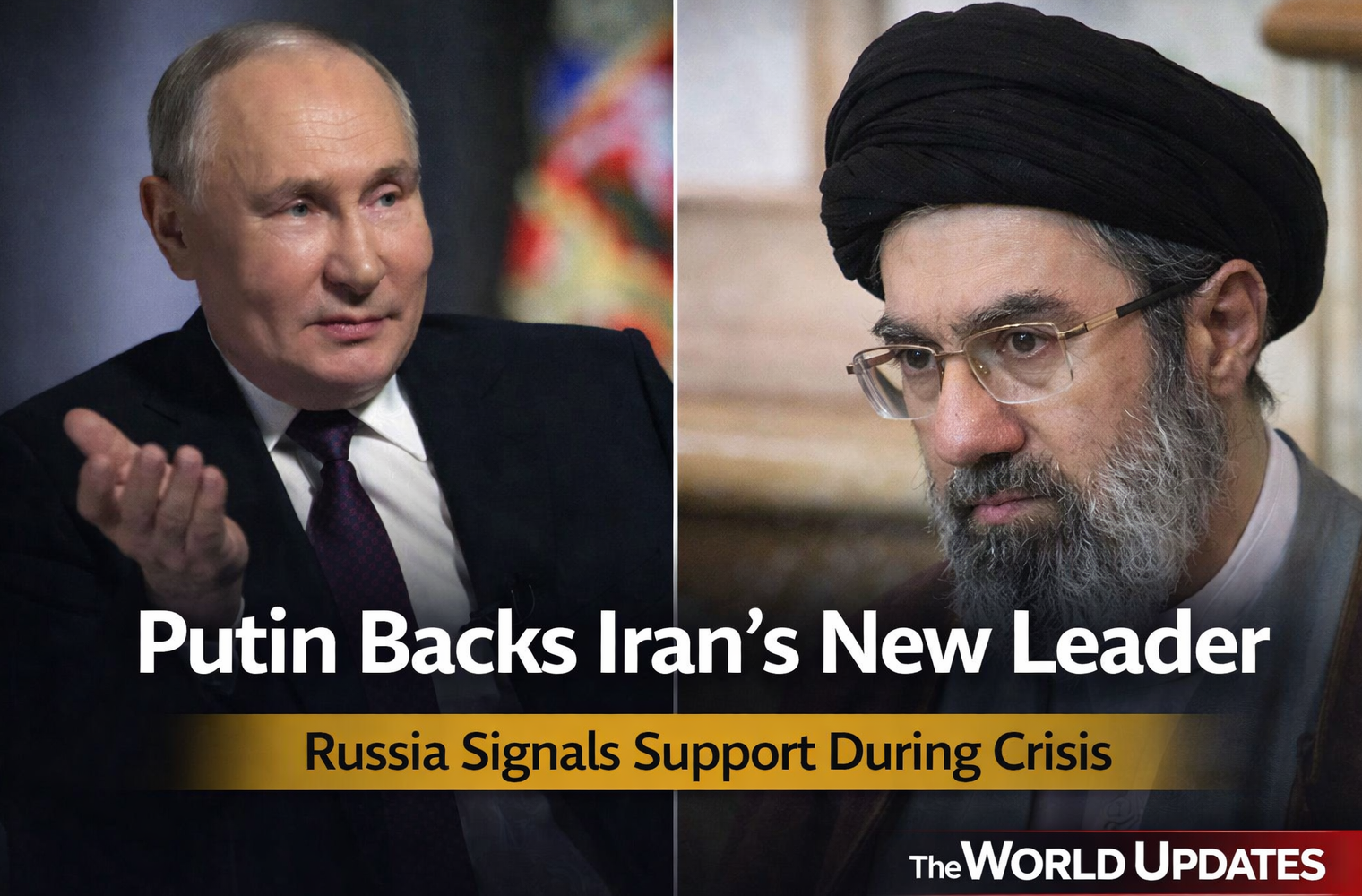
Meanwhile, reports from U.S. media suggest Russia has been providing Iran with intelligence on U.S. military movements in the region.
Russian officials have not confirmed the claim.
The rising death toll and widening regional impact have intensified calls for international mediation.
Hundreds Reportedly Killed
Hundreds of people have reportedly been killed since the war began.
Casualties have been reported in Iran, Israel and Lebanon, although independent verification remains difficult due to ongoing fighting.
Human rights organizations warn that continued escalation could lead to a significant humanitarian crisis.
For now, military operations continue across multiple fronts as the Iran war enters a dangerous second week.