
Riyadh signals it may allow U.S. forces to use military bases if regional attacks continue
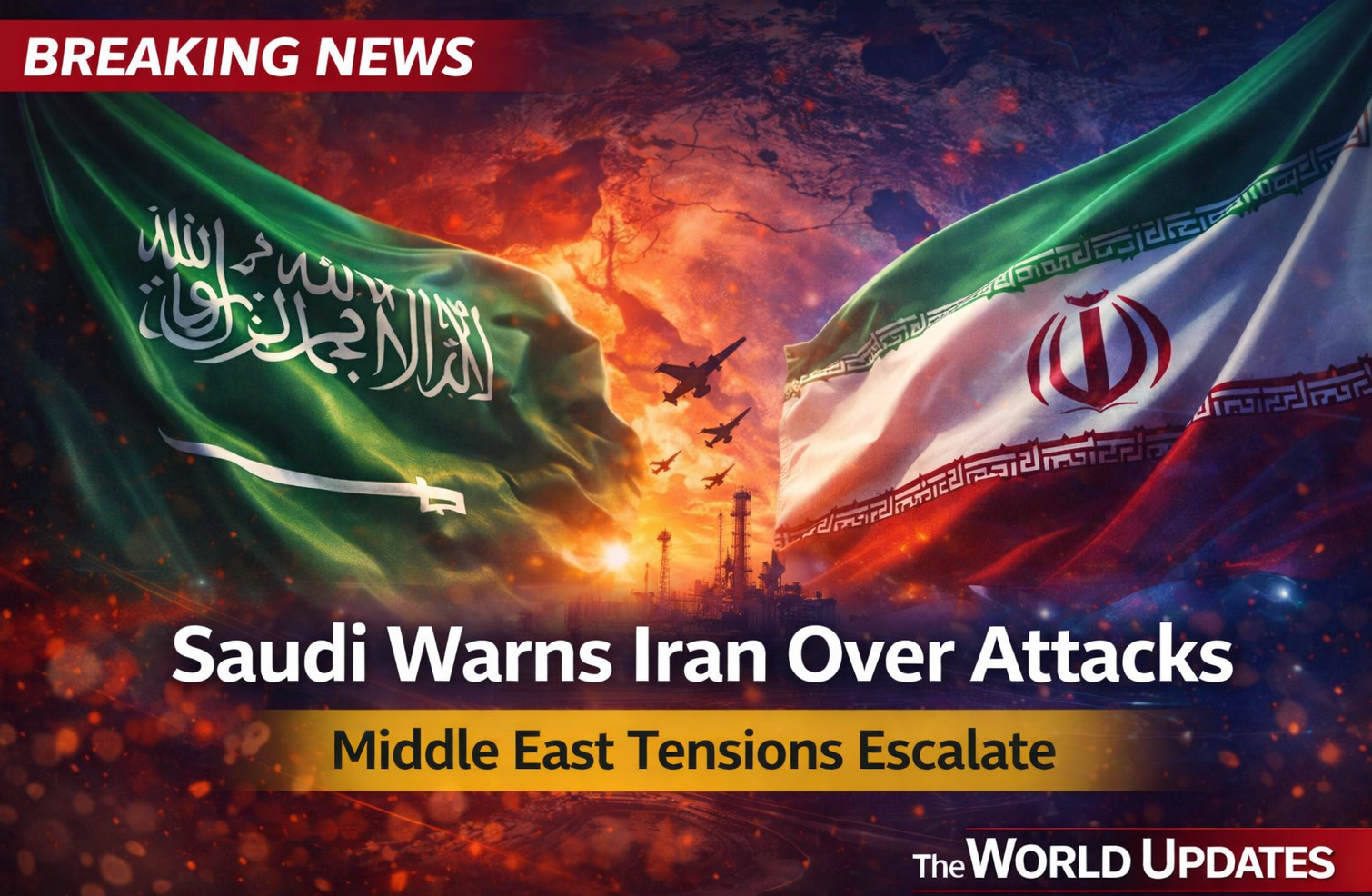
Tensions in the Middle East have intensified after Saudi Arabia reportedly warned Iran that it would respond if the kingdom or its vital energy infrastructure were targeted.
According to reports citing regional diplomatic sources, Saudi officials have conveyed a message to Tehran stating that Riyadh prefers a diplomatic solution to the escalating conflict involving Iran and the United States. However, the kingdom made it clear that attacks on its territory or oil facilities would trigger a direct response.
The warning comes at a time of growing geopolitical tensions in the Middle East, as regional powers closely monitor the ongoing confrontation involving Iran, the United States, and allied partners.
Saudi Arabia Signals Stronger Security Position
Saudi Arabia has historically attempted to maintain stability in the Gulf region while balancing relations with global powers. However, recent developments suggest that Riyadh is preparing to take a firmer stance if its national security is threatened.
Diplomatic sources indicate that Saudi officials have informed Tehran that any strike against Saudi territory, critical infrastructure, or energy facilities would not go unanswered.
The warning reflects concerns about potential attacks targeting the kingdom’s oil installations, which are among the most important energy facilities in the world.
Saudi Arabia remains the world’s largest oil exporter, and disruptions to its energy infrastructure could have significant consequences for global markets.
Possible Access to U.S. Military Bases
One of the most significant developments in the report is the possibility that Saudi Arabia could allow U.S. forces to use its military bases if tensions escalate further.
So far, Gulf countries have generally avoided granting the United States permission to launch operations against Iran from their territories.
However, sources suggest that Saudi leaders may reconsider this position if attacks continue in the region.
Allowing U.S. forces access to Saudi military bases would represent a major shift in regional security dynamics and could increase the risk of wider military confrontation.
Iran Says Its Targets Are U.S. Interests
Iran has repeatedly stated that its actions are not directed at Gulf countries but rather at U.S. military assets and interests in the region.
Tehran has argued that American military presence in the Middle East is a primary source of instability.
Iranian officials have also called for the closure of U.S. military bases across the Middle East, claiming that their presence increases tensions and threatens regional sovereignty.
The statements highlight the deep divisions between Washington and Tehran over security arrangements in the region.
Diplomatic Efforts Continue Behind the Scenes
Despite the rising tensions, Saudi Arabia has reportedly continued to maintain diplomatic communication channels with Iran.
Sources suggest that Riyadh has been conveying messages to Tehran through diplomatic intermediaries, emphasizing the importance of avoiding further escalation.
The outreach began following military actions launched by the United States and Israel against Iran earlier this year.
Those operations reportedly began on February 28, marking a major turning point in the regional security situation.
Saudi officials appear to be attempting a delicate balance between deterrence and diplomacy.
Regional Uncertainty Continues
Neither Saudi Arabia nor Iran has officially confirmed the reported warning.
The absence of formal statements from both governments has contributed to uncertainty across the region.
Analysts say that the lack of clear public messaging could reflect ongoing behind-the-scenes negotiations aimed at preventing further escalation.
However, the continued buildup of military activity and diplomatic warnings indicates that the situation remains fragile.
Global Energy and Security Implications
The growing tensions between Saudi Arabia and Iran are being closely monitored worldwide.
The Middle East plays a crucial role in global energy markets, with a large share of the world’s oil supply passing through strategic shipping routes such as the Strait of Hormuz.
Any disruption in the region could push global oil prices higher and impact international energy supply chains.
For that reason, governments and investors around the world are watching developments carefully.
Experts warn that prolonged instability could trigger wider geopolitical consequences affecting global markets and international security.