
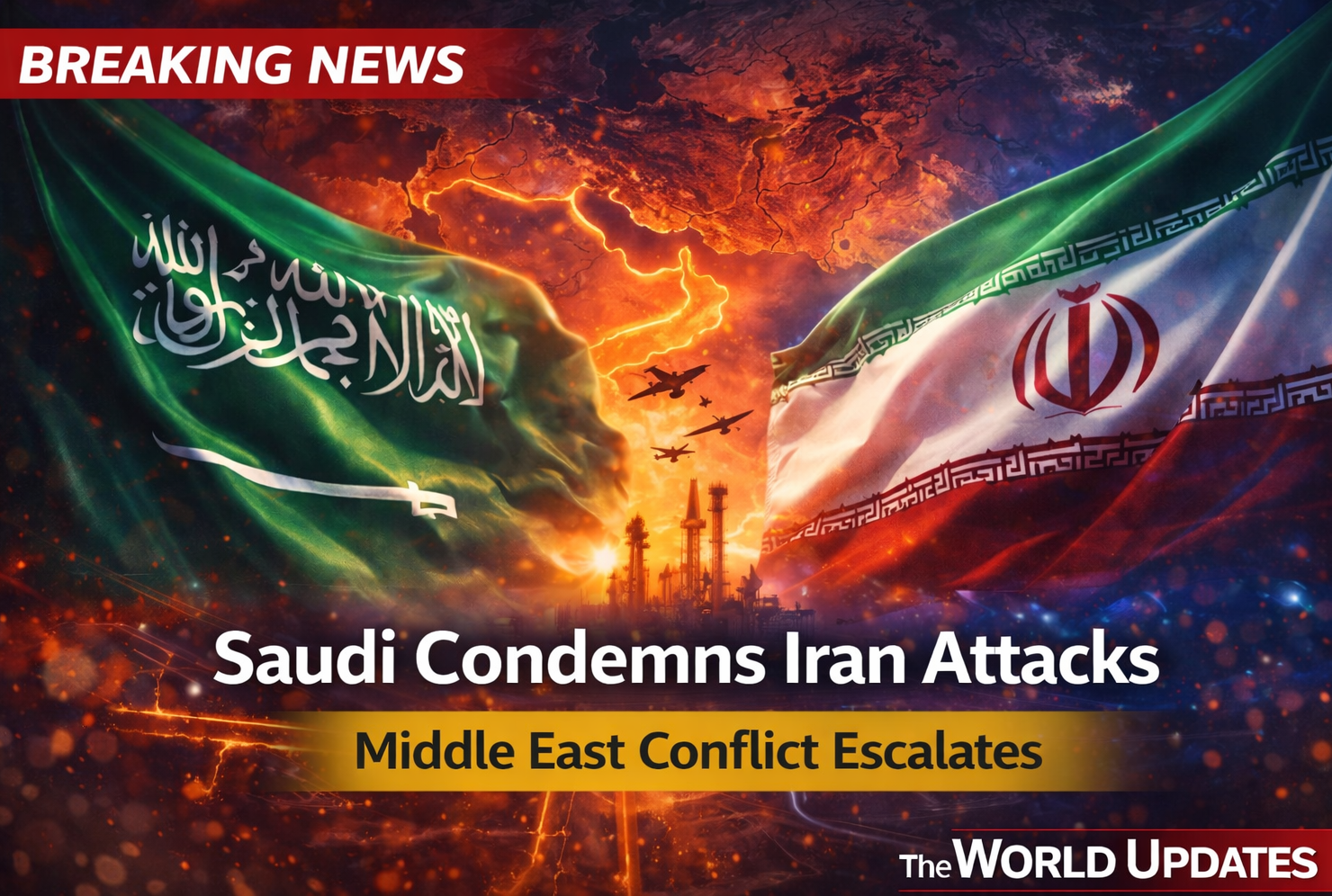
Riyadh says regional stability and global energy security are under threat amid escalating Middle East conflict
Rising tensions in the Middle East have intensified after Saudi Arabia strongly condemned Iranian attacks targeting Gulf states and warned that further escalation could ultimately cause the greatest damage to Iran itself.
In an official statement, Saudi Arabia’s Foreign Ministry said missile and drone attacks allegedly launched by Iran against Gulf countries represent a serious threat to regional peace, stability, and global energy security.
The statement also emphasized that Riyadh reserves the right to take all necessary measures to defend its territory, citizens, and national interests.
The warning comes amid a rapidly escalating Middle East conflict involving Iran, the United States, and regional allies, raising fears of a wider geopolitical crisis.
Saudi Arabia Condemns Missile and Drone Attacks
Saudi Arabia described the attacks targeting Gulf Cooperation Council member states as unacceptable aggression.
According to the statement, Iranian missile and drone strikes directed toward Gulf countries threaten not only regional stability but also international security.
Saudi officials said the attacks undermine diplomatic efforts aimed at preventing a wider regional war.
Riyadh also stressed that it would work closely with its allies to maintain peace and stability in the region.
Saudi Arabia remains one of the most influential members of the Gulf Cooperation Council, which includes:
- United Arab Emirates
- Kuwait
- Bahrain
- Qatar
- Oman
The organization plays a key role in coordinating regional security and economic cooperation.
Iran Targets U.S. Military Bases in the Gulf
The escalation follows Iranian military responses to recent attacks by United States and Israel.
Iran reportedly launched strikes targeting U.S. military installations located in Gulf states, escalating tensions across the region.
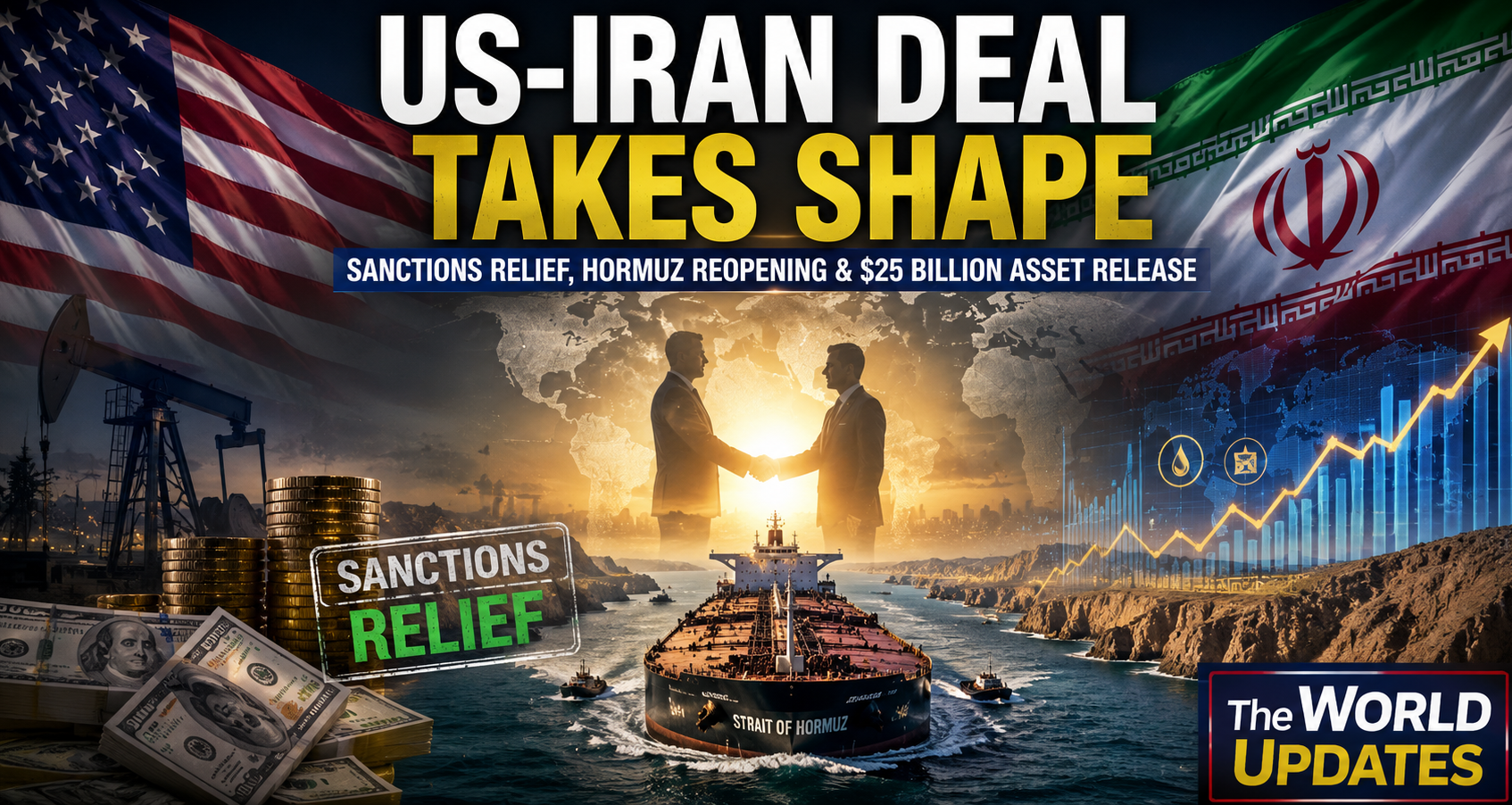
In response, Tehran has also taken the dramatic step of closing the Strait of Hormuz, one of the world’s most important maritime oil routes.
The Strait of Hormuz is responsible for transporting roughly 20% of global oil supplies, making it a critical chokepoint for international energy markets.
The closure has already triggered concerns about fuel shortages and rising oil prices worldwide.
Global Energy Markets Face Major Disruption
Energy analysts warn that prolonged instability in the Gulf could significantly disrupt global oil supply chains.
Saudi Arabia, the world’s largest oil exporter, said attacks targeting Gulf infrastructure could have severe economic consequences.
The Saudi Foreign Ministry warned that Iranian actions threaten global energy security, potentially affecting millions of consumers worldwide.
International markets are already reacting to the crisis as oil prices surge amid fears of supply disruptions.
Experts say any prolonged closure of the Strait of Hormuz could trigger a global energy shock.
Saudi Arabia Signals Right to Self-Defense
In its official statement, Saudi Arabia stressed that it has the sovereign right to defend its territory and protect its citizens.
Riyadh emphasized that any threats to the kingdom’s national security would be met with appropriate responses.
However, Saudi officials also signaled their desire to avoid further escalation and instead work with regional and international partners to stabilize the situation.
The kingdom reaffirmed its commitment to cooperating with allied nations to preserve peace and security in the Gulf region.
Middle East Conflict Raises Global Security Concerns
The growing confrontation between Iran and Western allies has raised fears of a broader regional war.
Military analysts say that if attacks on Gulf states continue, the crisis could expand beyond current flashpoints.
Such a scenario could draw additional countries into the conflict and significantly impact global trade and energy supply routes.
Diplomatic efforts are now underway across several international channels in an attempt to prevent the crisis from spiraling further.
However, with tensions still rising, uncertainty remains high across the Middle East.