
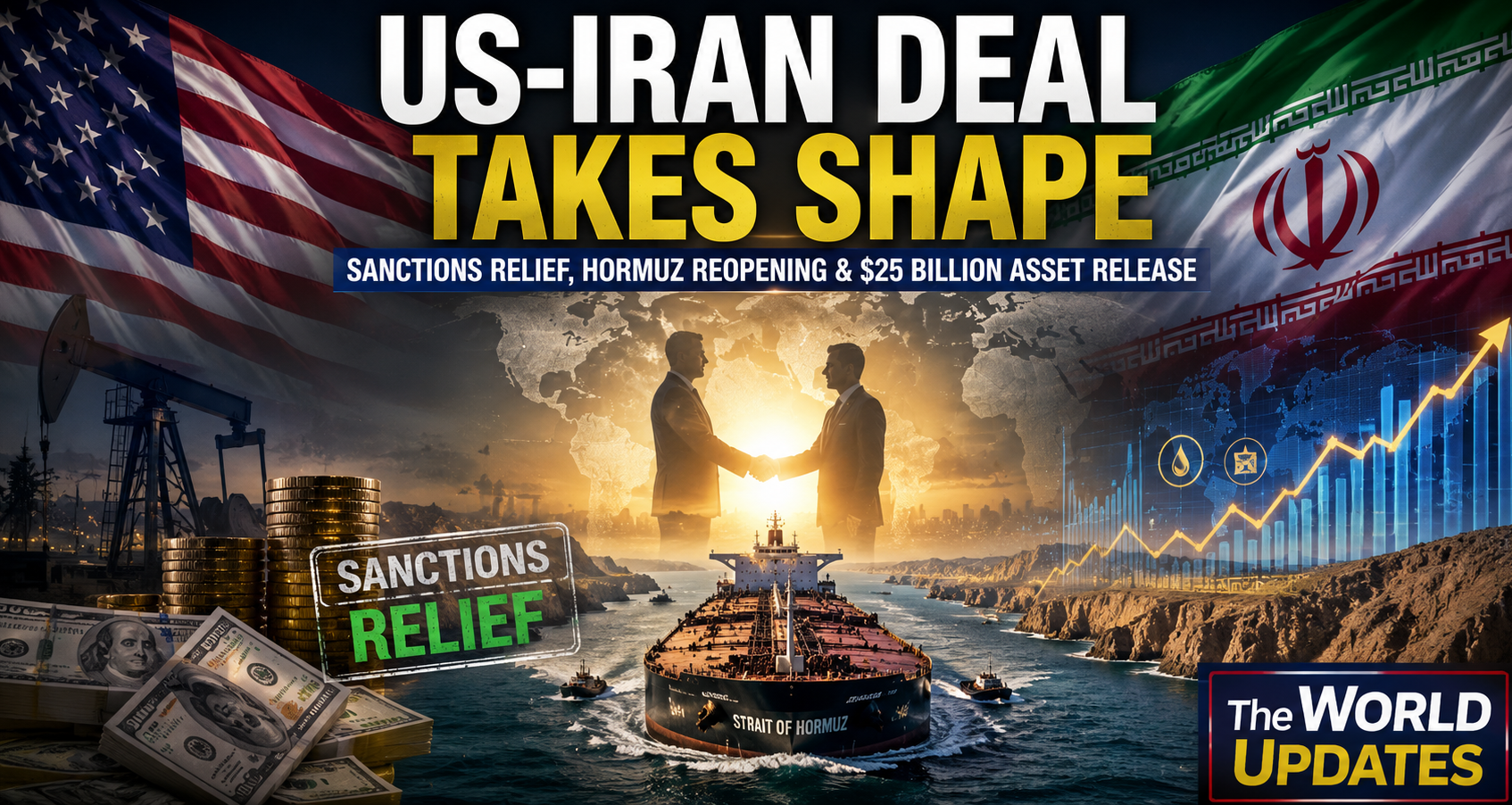
A proposed understanding between the United States and Iran could mark a significant turning point in one of the world’s most closely watched geopolitical crises.
According to information cited by international news agency Reuters from a senior Iranian official, a draft memorandum of understanding (MoU) under discussion includes measures related to Iran’s nuclear program, economic sanctions, frozen assets, and the reopening of the strategically vital Strait of Hormuz.
The reported framework has emerged amid ongoing uncertainty over whether a final agreement to end hostilities and reduce tensions between Washington and Tehran will be formally signed.
If implemented, analysts say the proposal could have major implications for global energy markets, regional security, and international diplomacy.
Key Provisions of the Proposed Agreement
According to the reported details, Iran would commit not to develop or acquire nuclear weapons.
The proposal also reportedly includes an understanding that Iran would reduce the enrichment level of its highly enriched uranium stockpiles while keeping the material inside the country.
The technical mechanisms for implementing those steps are expected to be discussed during negotiations over the next 60 days.
Nuclear issues have remained at the center of disputes between Iran and Western powers for years, making this provision one of the most significant elements of the reported framework.
Sanctions Relief Could Boost Iranian Oil Exports
One of the most economically important aspects of the proposed agreement involves sanctions relief.
Under the reported framework, the United States would temporarily ease restrictions on Iranian oil exports.
Such a move would allow Iran to sell oil more freely and gain access to additional export revenues.
The proposal also suggests that Washington would refrain from imposing new economic sanctions while negotiations continue toward a final agreement.
Energy analysts believe that any easing of restrictions on Iranian oil could increase global crude supply and help stabilize international energy markets.
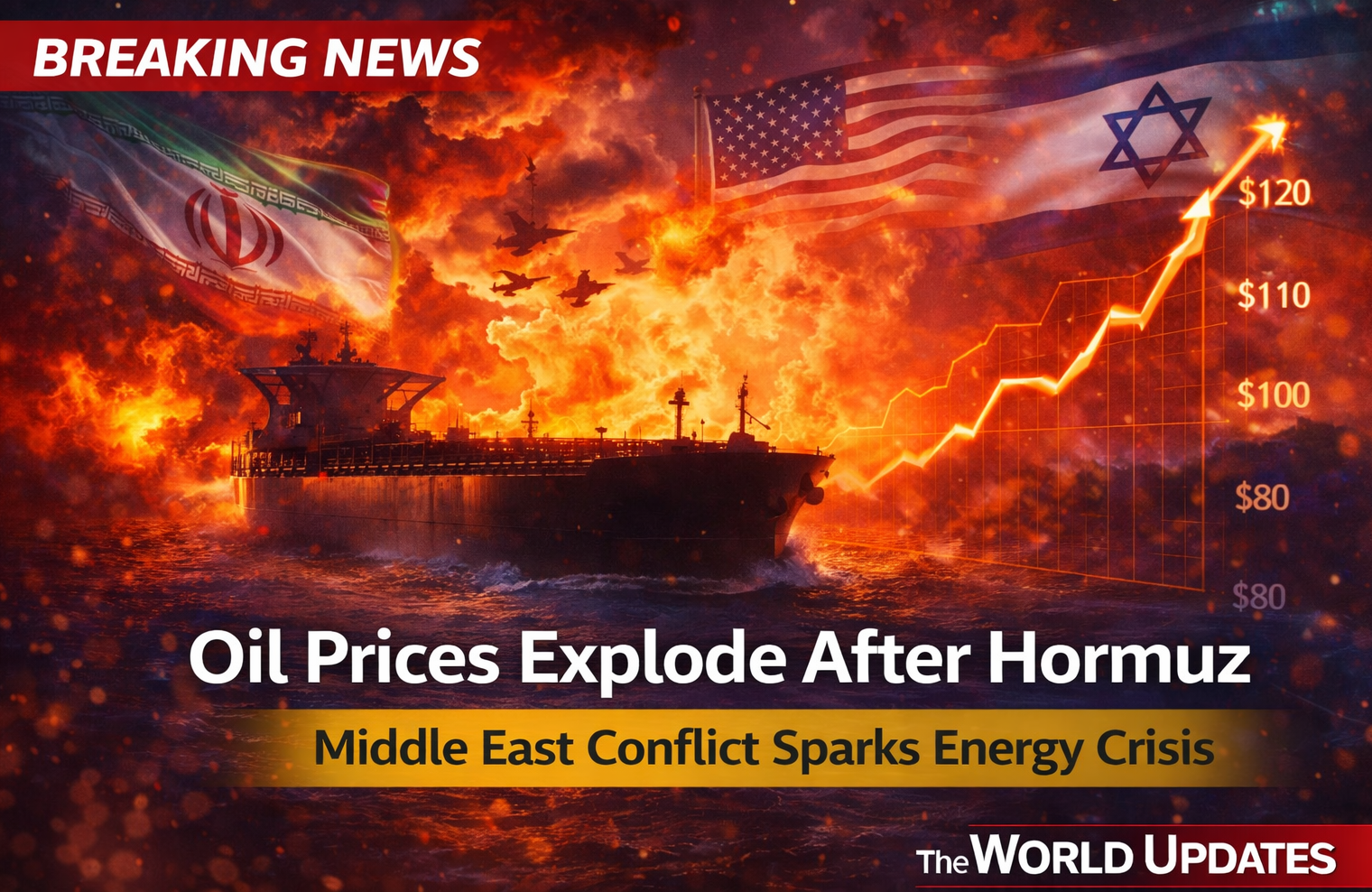
Recent tensions in the Middle East have contributed to significant volatility in oil prices and increased concerns about supply disruptions.
Strait of Hormuz Reopening Seen as Major Development
The reported agreement also includes a commitment by Iran to immediately reopen the Strait of Hormuz for all commercial shipping.
The strategic waterway serves as one of the world’s most important energy transit routes.
Approximately one-fifth of global oil shipments typically pass through the narrow channel connecting the Persian Gulf to international markets.
In return, reports suggest the United States would end maritime blockade measures associated with the ongoing crisis.
Shipping and energy experts say reopening the waterway would significantly reduce concerns about global supply disruptions and help calm international markets.
$25 Billion in Frozen Assets Could Be Released
Another major component of the proposed arrangement involves Iranian financial assets.
According to the reported framework, the United States could facilitate the release of approximately $25 billion in frozen Iranian assets.
The funds could reportedly become available through a combination of direct financial transfers, regional cooperation mechanisms, and credit facilities.
Economic observers note that access to these resources could provide a substantial boost to Iran’s economy at a time of significant financial pressure.
However, implementation details remain unclear and would likely require extensive coordination among multiple governments and financial institutions.
Conflicting Statements Create Uncertainty
Despite reports of progress, uncertainty remains over whether a final agreement will be signed in the near future.
Conflicting public statements from both sides have created confusion about the status of negotiations.
US President Donald Trump has suggested that an agreement could be signed soon.
However, Iranian military and political officials have publicly disputed suggestions that a signing ceremony is imminent.
Iranian representatives have reportedly stated that negotiators are not expected to sign a deal on the proposed timeline.
The differing messages have fueled speculation about the pace and direction of negotiations.
Global Implications of a Potential Deal
A successful agreement could reshape the geopolitical landscape of the Middle East.
Beyond reducing tensions between Washington and Tehran, the arrangement could lower risks to global energy supplies, improve regional stability, and support international diplomatic efforts.
Financial markets are also closely monitoring developments, particularly because of the potential impact on oil prices and global trade flows.
Conversely, any collapse in negotiations could reignite concerns about military escalation, sanctions, and further disruptions to energy markets.
For now, diplomats, investors, and regional governments remain focused on whether the reported framework can evolve into a formal agreement.
The coming days are expected to be critical in determining whether the proposal becomes a landmark diplomatic breakthrough or remains an unfinished negotiating framework.