
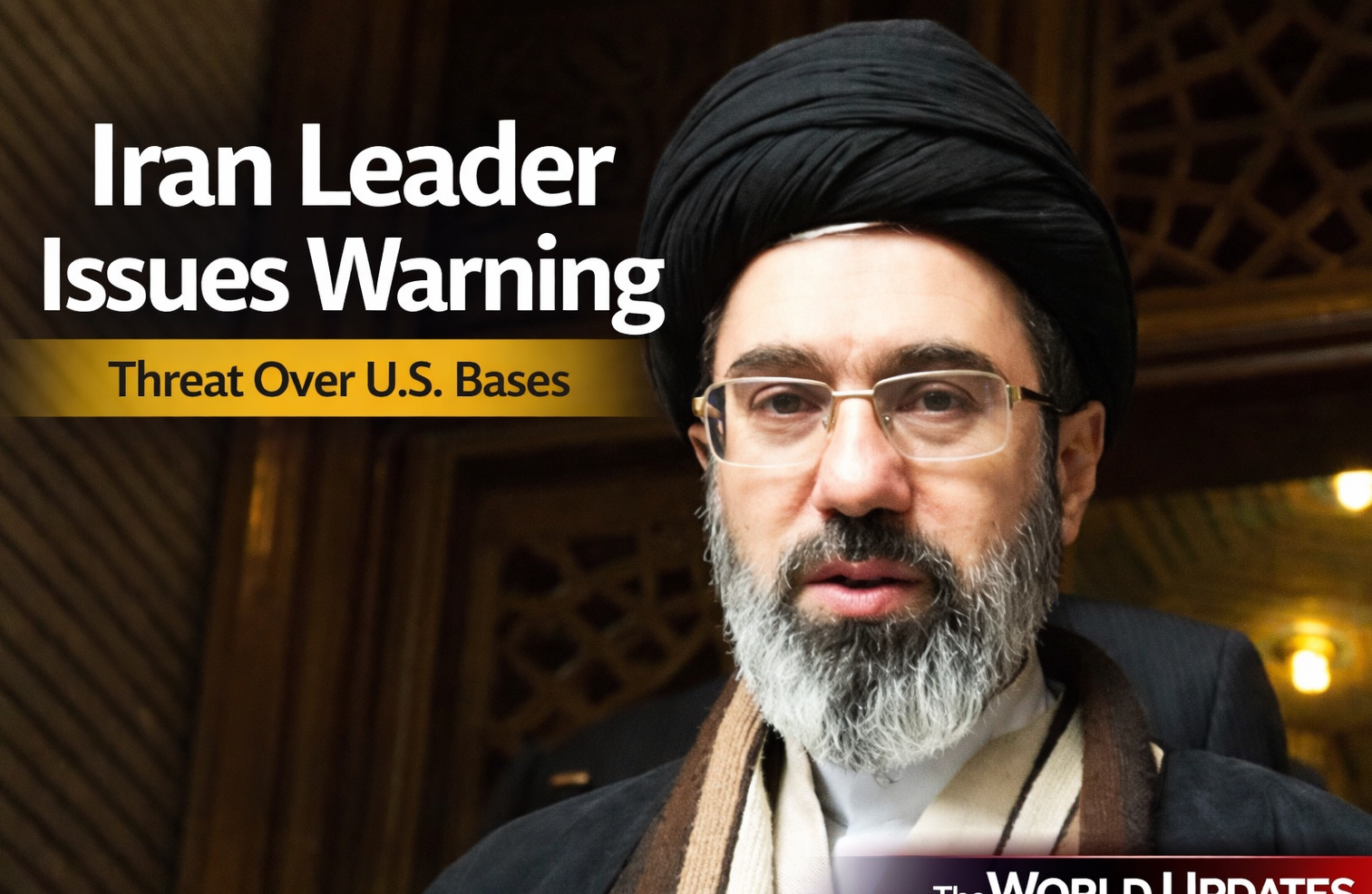
Mojtaba Khamenei vows retaliation for Iranian casualties and signals continued pressure through Strait of Hormuz
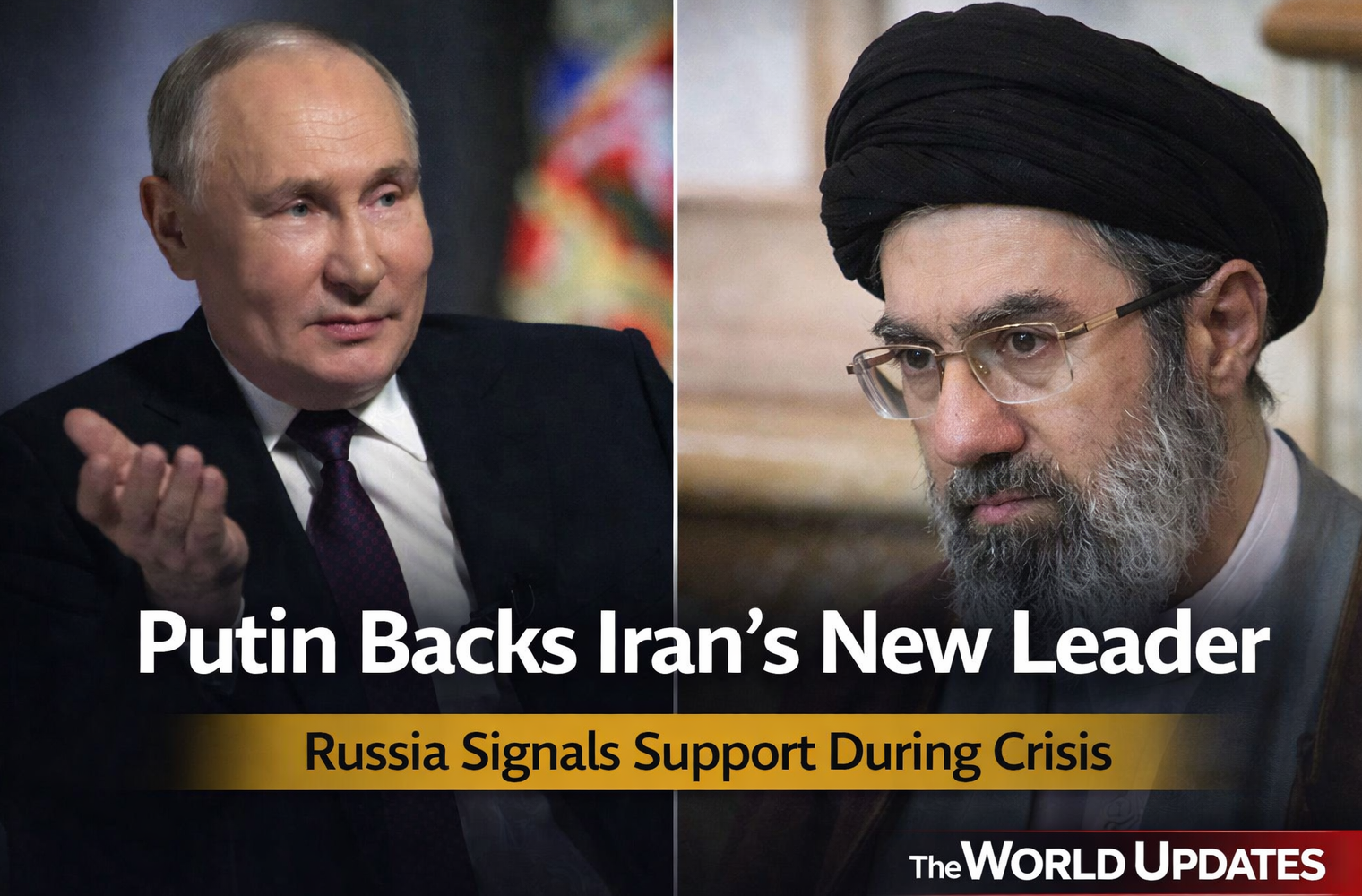
In his first major address after assuming power, Iran’s newly appointed Supreme Leader Mojtaba Khamenei issued a strong warning to regional governments hosting American military forces, saying attacks could continue if those bases remain operational.
The statement comes amid intensifying geopolitical tensions involving Iran, the United States, and several Gulf nations.
In an audio message released to Iranian media, Khamenei declared that Iran would avenge the deaths of citizens killed during recent hostilities and insisted that the strategic Strait of Hormuz could remain closed as part of Tehran’s pressure strategy.
His remarks underline the rapidly escalating Middle East conflict, which analysts say could further destabilize global energy markets and international security.
First Address After Leadership Transition
Mojtaba Khamenei’s message marked his first official statement since becoming Iran’s Supreme Leader following the death of Ali Khamenei.
The new leader acknowledged the heavy responsibilities of his role and praised the Iranian public for their resilience during what he described as a period of aggression against the country.
He also emphasized that his authority depends on public support and unity within Iran.
Khamenei paid tribute to his father’s decades of leadership, describing him as a symbol of resistance and dedication to the Iranian nation.
Iran Signals Retaliation for Recent Attacks
In the speech, the Iranian leader warned that Tehran would not abandon its right to retaliate for casualties caused during recent military strikes.
He said every individual killed in the conflict would be avenged and that Iran would continue to respond forcefully to what it describes as foreign aggression.
According to Khamenei, Iran’s armed forces had already demonstrated their capability by targeting facilities used by adversaries during the conflict.
He stated that Iranian military operations focused specifically on installations being used by hostile forces.
Analysts believe the statement reflects Iran’s strategy of signaling deterrence while attempting to justify its military actions internationally.
Strait of Hormuz Remains Strategic Pressure Point
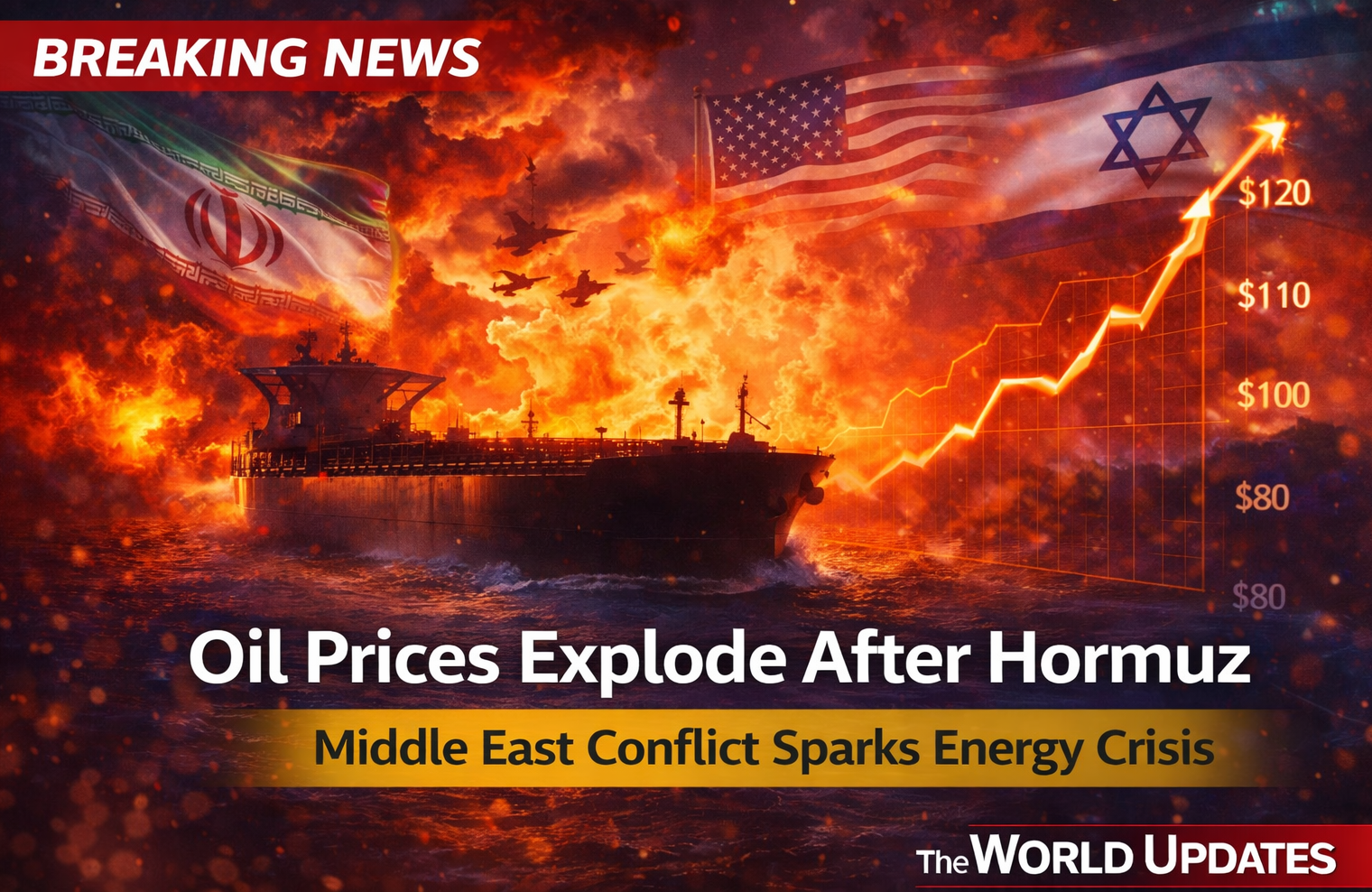
A key part of the message focused on the Strait of Hormuz, one of the world’s most critical energy transit routes.
Khamenei said maintaining pressure through the strait could remain a strategic option against adversaries.
The waterway connects the Persian Gulf to international shipping lanes and carries nearly 20 percent of the world’s oil supply.
Any prolonged disruption in this route can have a significant impact on global energy markets.
Recent tensions have already pushed oil prices higher and raised fears of a broader energy crisis affecting multiple regions.
Warning to Countries Hosting U.S. Military Bases
Khamenei also issued a direct warning to countries that host American military bases.
He said those facilities could become targets if they are used in operations against Iran.
According to the Iranian leader, governments allowing their territory to be used for attacks should clearly state their position on the conflict.
He urged them to shut down the bases immediately to avoid becoming part of the confrontation.
Iran has long criticized the presence of U.S. forces across the Middle East, arguing that they destabilize the region.
Iran Says It Seeks Regional Cooperation
Despite the strong tone of the message, Khamenei also emphasized that Iran does not seek domination over neighboring states.
He said the Islamic Republic is willing to maintain constructive relations with the 15 countries sharing land or maritime borders with Iran.
The Iranian leader described cooperation, regional unity, and friendly relations with neighboring nations as important strategic goals.
However, he warned that Iran would respond firmly to any aggression against its territory or citizens.
Compensation for War Victims Promised
Khamenei also addressed the humanitarian consequences of the conflict.
He instructed Iranian authorities to ensure that people injured in the attacks receive proper medical treatment and financial assistance.
The government has also been directed to compensate individuals whose homes or property were damaged during the hostilities.
The Iranian leader said Tehran would seek compensation for losses caused by the conflict.
If compensation is refused, he warned, Iran could pursue alternative measures to recover damages.
Regional Stability at Risk
International observers say the speech highlights the growing volatility in the Middle East.
The conflict has already triggered concerns about broader geopolitical consequences, including potential disruptions to energy supplies and international trade routes.
Diplomatic efforts are ongoing as global powers attempt to prevent further escalation.
However, analysts warn that continued threats against military bases and strategic shipping routes could deepen the crisis.
The coming weeks may prove critical in determining whether the conflict moves toward diplomatic negotiations or further military confrontation.