
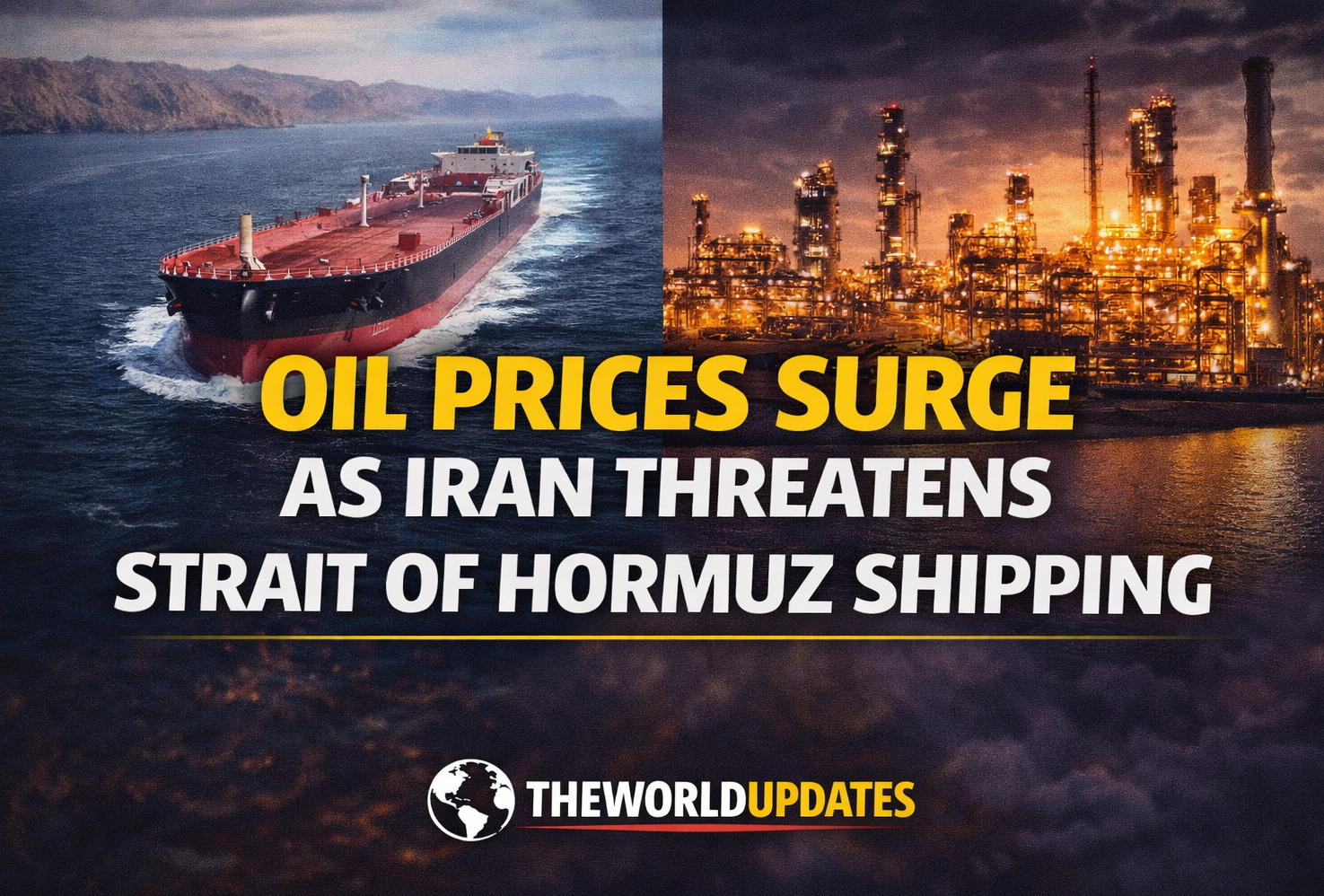
Oil prices extended gains on Tuesday after an Iranian official warned that his country would respond forcefully to vessels passing through the Strait of Hormuz.
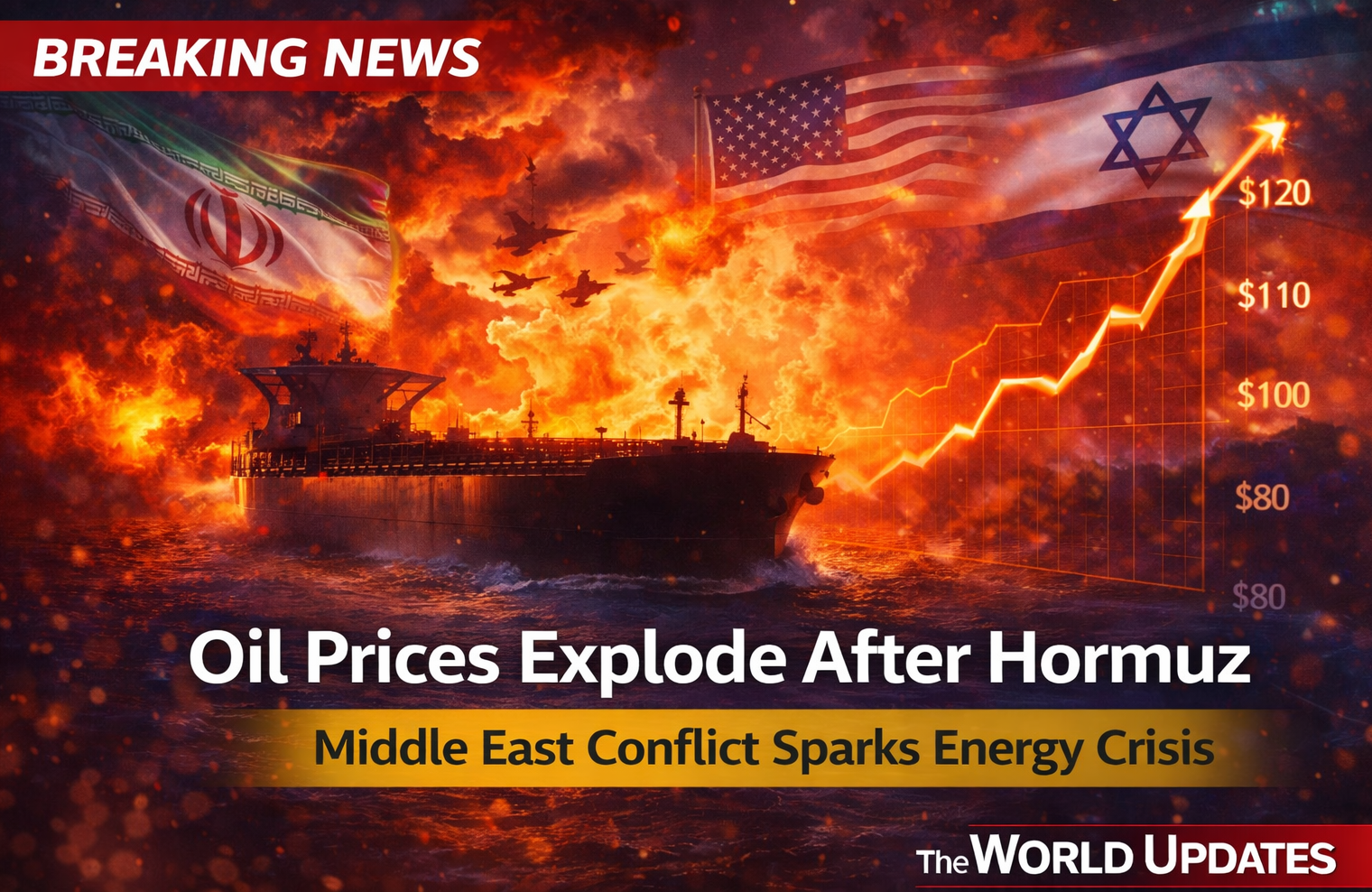
Brent crude rose more than 3% in Asian trade to above $80 per barrel. US crude climbed around 2.6% during the same session.
The move followed a sharp rally on Monday as tensions between Iran, the United States and Israel intensified.
Threats Raise Supply Concerns
Ebrahim Jabbari, an adviser to the commander-in-chief of Iran’s Islamic Revolutionary Guard Corps, delivered the warning on state television.
He said ships should avoid the region and would face a serious response if they attempted to pass.
The Strait of Hormuz handles roughly 20% of global oil and gas flows. Any disruption to traffic there can tighten supply and lift prices quickly.
Shipping activity has slowed after several vessels came under attack in recent days.
Transport Costs Hit Record High
The conflict has also pushed shipping costs sharply higher.
The price to hire a supertanker from the Middle East to China surged above $400,000 on Monday. That figure almost doubled compared to last week, according to data from the London Stock Exchange Group.
Higher freight rates add further pressure to global energy markets and could feed into consumer fuel prices.
US Officials Prepare Response
President Donald Trump faces growing concern that rising oil prices could increase living costs in the United States.
Trump is scheduled to meet Treasury Secretary Scott Bessent and Energy Secretary Chris Wright to assess the situation.
Secretary of State Marco Rubio said Washington will announce plans aimed at managing higher energy costs.
Market Outlook Remains Volatile
Traders continue to monitor developments in the Gulf region closely.
Any escalation near the Strait of Hormuz could trigger further spikes in oil prices.
For now, markets remain highly sensitive to military and diplomatic signals from all sides.