
Strait of Hormuz closure triggers global oil shock as Middle East tensions escalate
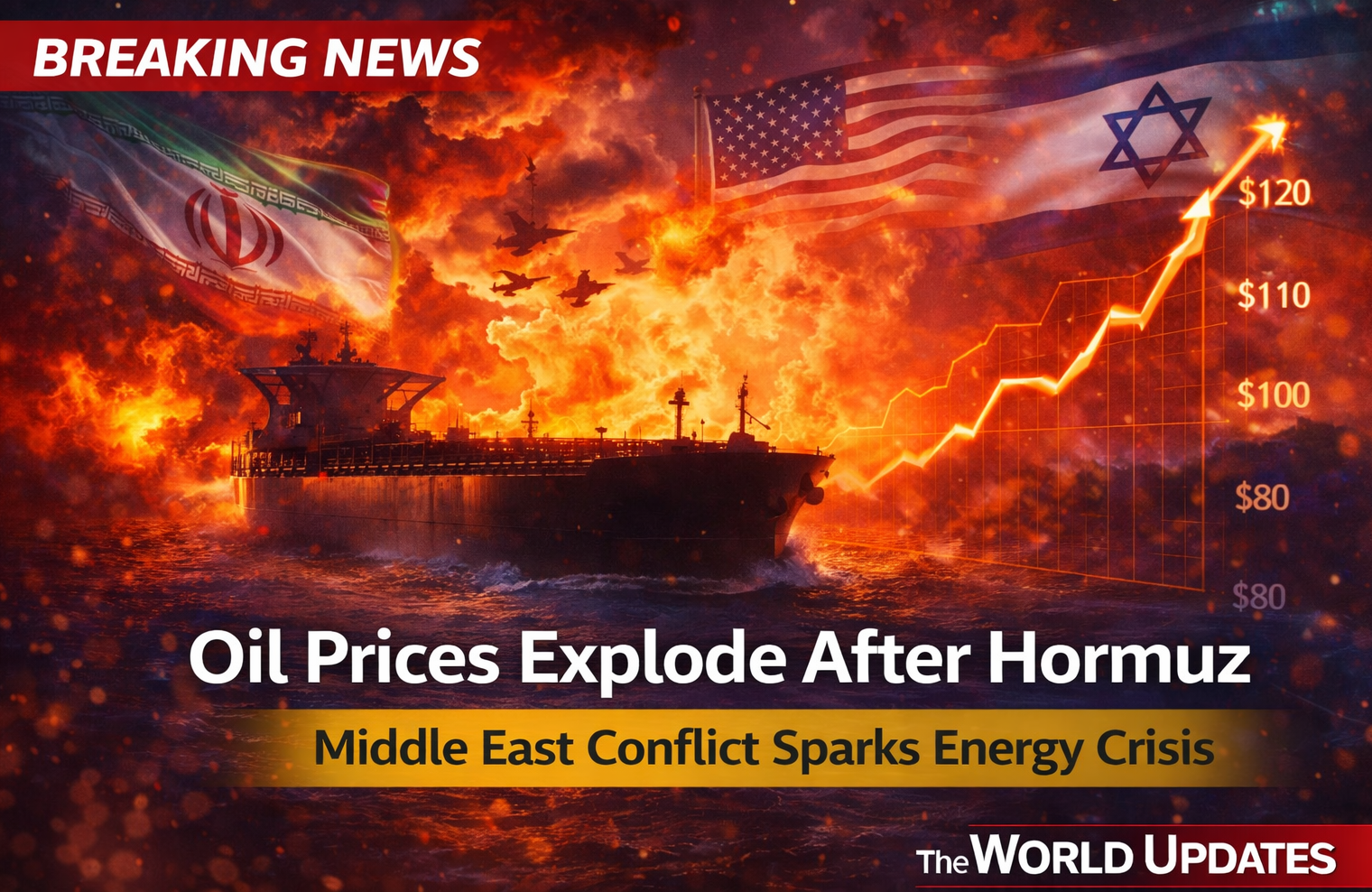
Global oil markets have entered a period of intense volatility after crude prices surged past $115 per barrel, fueled by escalating geopolitical tensions following military strikes involving the United States and Israel against Iran.
The dramatic rise in energy prices comes after Iran reportedly shut down the strategic Strait of Hormuz, the world’s most important maritime oil transit chokepoint.
Former U.S. President Donald Trump warned that the surge in oil prices is a temporary cost the world must bear to address security threats in the Middle East.
The crisis has raised fears of a broader global energy crisis, with economists warning that prolonged disruptions could trigger inflation, supply shortages, and economic instability worldwide.
Oil Prices Hit Multi-Year Highs
According to international market data, global crude oil prices have jumped to more than $115 per barrel, the highest levels recorded in several years.
The benchmark West Texas Intermediate (WTI) crude, one of the key indicators for global oil markets, traded between $115 and $118 per barrel during volatile trading sessions.
Energy analysts say prices have surged 20–30 percent within just a few days, reflecting market fears of major supply disruptions.
Such rapid increases in oil prices often ripple through global economies, affecting transportation costs, manufacturing, and consumer prices.
Experts warn that sustained price spikes could push fuel costs higher across multiple sectors worldwide.
Strait of Hormuz Closure Sends Shockwaves
The crisis intensified after Iran reportedly closed the Strait of Hormuz in response to recent military actions by the United States and Israel.
The Strait of Hormuz connects the Persian Gulf with international shipping routes and handles nearly 20 percent of global oil shipments.
Any disruption in this narrow waterway immediately impacts global energy markets.
Major oil-producing nations in the Gulf rely heavily on this route to export crude to global markets.
Countries such as Saudi Arabia, United Arab Emirates, and Kuwait depend on the strait for oil transportation.
Energy experts say the closure has already disrupted supply chains and increased fears of global shortages.
Trump Says Oil Price Spike Is ‘Small Price’
Amid the growing energy crisis, Donald Trump addressed the situation on his social media platform Truth Social.
The former U.S. president described the surge in oil prices as a relatively small price compared with the broader goal of maintaining global security.
Trump said the increase in crude prices would likely be temporary.
He argued that once the perceived nuclear threat from Iran is eliminated, global oil markets could stabilize and prices would fall again.
However, many analysts remain skeptical, noting that geopolitical conflicts often produce long-lasting impacts on energy markets.
Rising Risk of Wider Middle East Conflict
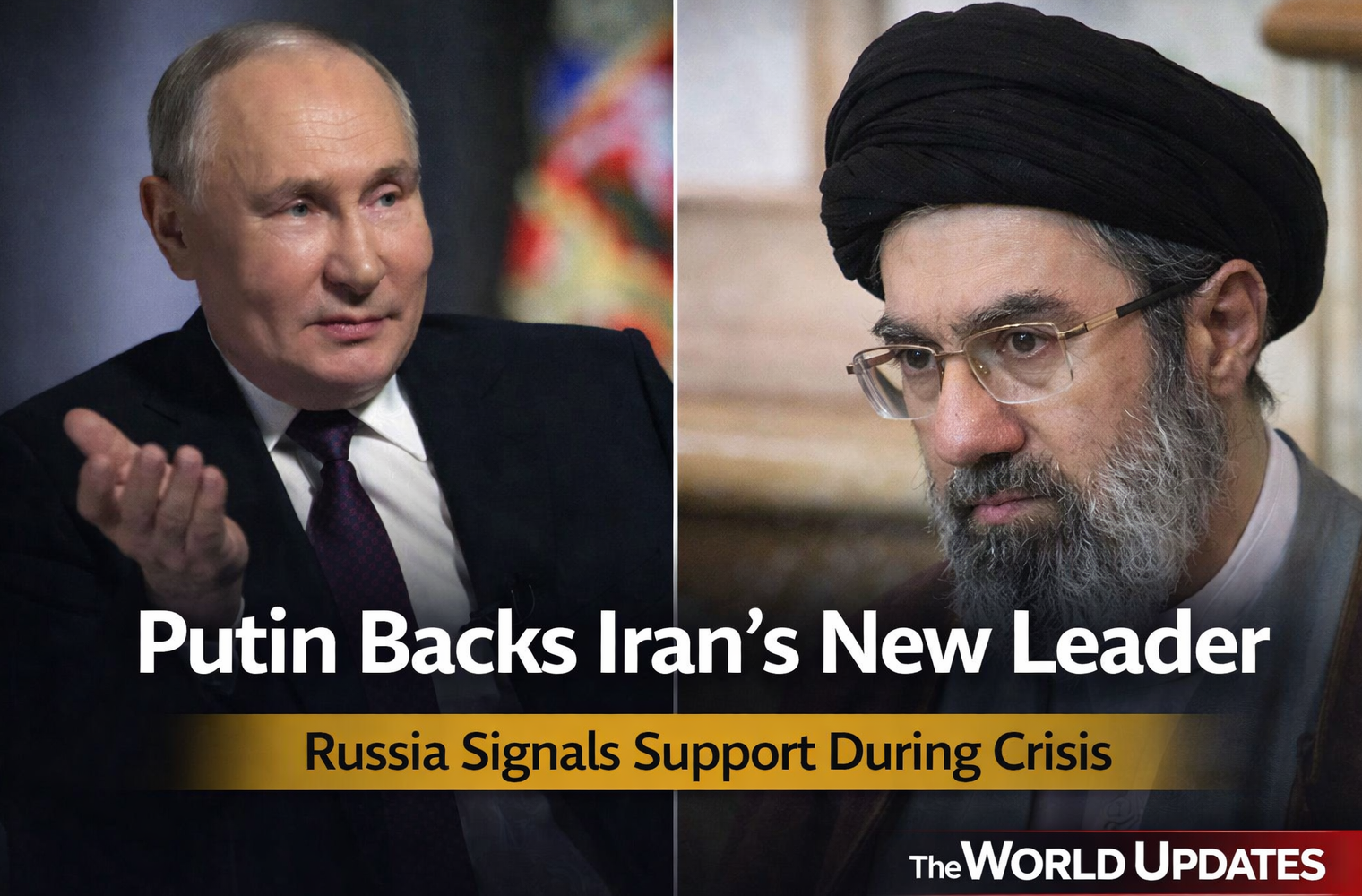
The geopolitical crisis has deepened following leadership changes in Iran.
Reports suggest that Mojtaba Khamenei, son of the country’s former supreme leader, has assumed a more influential role in Iran’s leadership structure.
Since then, Iranian retaliatory attacks in the region have reportedly intensified.
Military analysts warn that continued confrontation between Iran and Western allies could expand into a broader regional conflict.
Such escalation could involve additional Middle Eastern countries and further disrupt oil and gas infrastructure across the Gulf.
Energy Supply Routes Under Pressure
Several Gulf countries are now facing disruptions to oil and gas production and transportation routes.
Shipping companies and energy traders are closely monitoring the security situation in the region.
If the Strait of Hormuz remains closed for an extended period, analysts warn that global fuel shortages could become a serious concern.
Energy-dependent economies across Asia and Europe would be particularly vulnerable to prolonged disruptions.
Governments around the world are now assessing emergency measures to stabilize fuel supplies if the crisis continues.
Global Economic Implications
The surge in oil prices could have significant global economic consequences.
Higher fuel prices often lead to rising transportation costs, inflation, and slower economic growth.
Developing economies that rely heavily on imported energy may be especially affected.
International financial institutions have warned that sustained geopolitical tensions could disrupt global trade and trigger broader market instability.
For now, energy markets remain on edge as the Middle East conflict continues to evolve.