
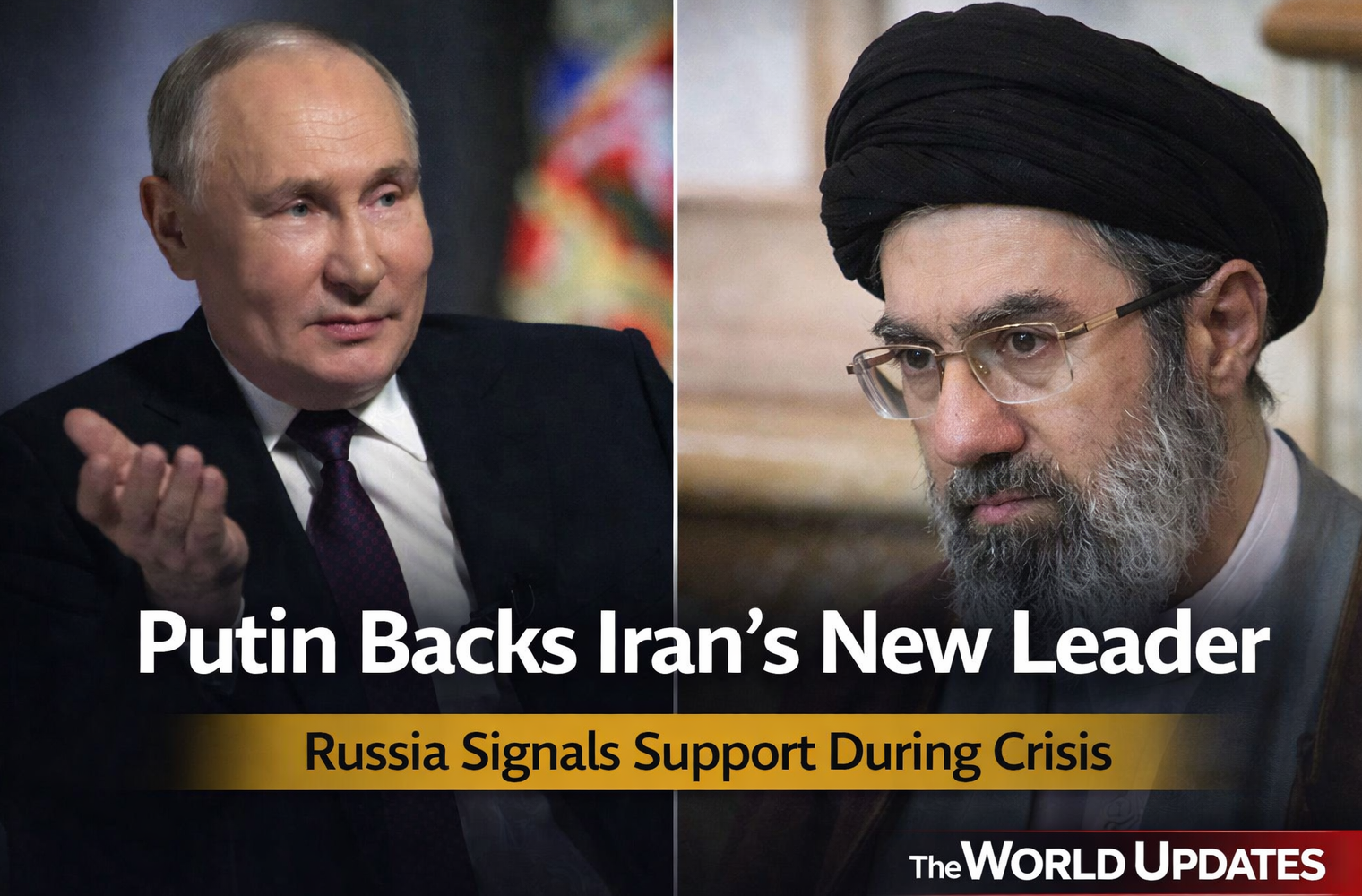
Russia signals continued support for Tehran following leadership transition after regional conflict
In a major geopolitical development during a period of heightened Middle East tensions, Russian President Vladimir Putin has congratulated Mojtaba Khamenei on assuming leadership of Iran.
The message from Moscow comes at a time when the region faces growing instability following the death of Iran’s former Supreme Leader Ali Khamenei and the ongoing confrontation involving United States and Israel.
In his official statement, Putin expressed confidence that the new Iranian leader would continue his father’s legacy while guiding the nation through what he described as “serious challenges and aggression.”
The message also reaffirmed Russia’s political and strategic partnership with Iran during a period of rising geopolitical tension.
Putin Expresses Confidence in Iran’s New Leadership
In the congratulatory message, Putin acknowledged the significant responsibilities that come with Iran’s highest leadership position.
He noted that the current geopolitical situation requires determination and resilience from Iran’s leadership.
Putin said he believed Mojtaba Khamenei would continue the work of his father while maintaining national unity during difficult times.
The Russian president also emphasized that Moscow would remain a dependable partner for Tehran.
Russia and Iran have strengthened diplomatic and economic ties in recent years, particularly in areas such as energy cooperation, regional security, and defense collaboration.
Leadership Transition After Death of Ali Khamenei
Mojtaba Khamenei became Iran’s new Supreme Leader following the death of his father, Ali Khamenei, who led the country for 37 years.
According to reports, Ali Khamenei was killed in air strikes targeting Tehran on February 28, during a period of escalating military tensions in the Middle East.
The attacks were reportedly carried out by the United States and Israel, dramatically escalating the regional conflict.
The death of such a long-serving leader marked a significant turning point in Iran’s political history.
At 56 years old, Mojtaba Khamenei now becomes the third Supreme Leader in the history of the Islamic Republic of Iran.
Russia Reaffirms Strategic Partnership with Iran
Putin used the opportunity to reaffirm Russia’s continued support for Iran.
He described Russia as a reliable partner for the Islamic Republic and emphasized solidarity with the Iranian people during what he called “difficult trials.”
Moscow and Tehran have expanded cooperation in multiple sectors, including:
- Energy and oil trade
- Military coordination
- Regional diplomacy
- Economic partnerships
Both countries have also worked together on several geopolitical issues involving the Middle East and Eurasia.
Analysts believe Russia’s quick message of support reflects Moscow’s intention to maintain strong relations with Iran’s new leadership.
China Calls Leadership Appointment an Internal Matter
Meanwhile, China also reacted to the leadership change in Tehran.
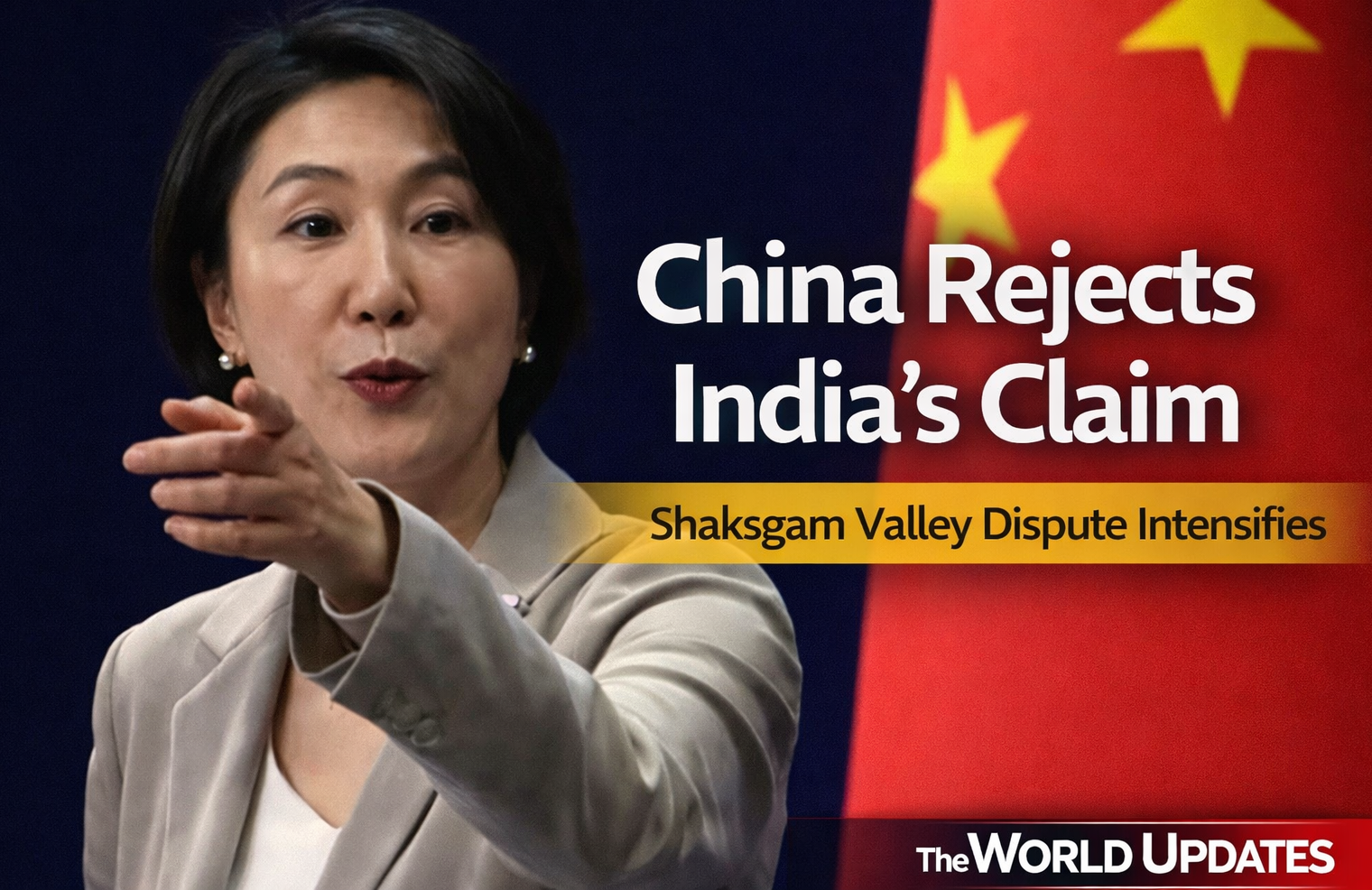
China’s Foreign Ministry stated that the appointment of Iran’s new Supreme Leader is an internal constitutional matter for Iran.
Chinese officials emphasized that Beijing opposes any attempt by external powers to interfere in the domestic affairs of sovereign nations.
China has traditionally maintained diplomatic ties with Iran and has often supported dialogue and stability in the region.
Rising Middle East Conflict Raises Global Concerns
The leadership transition in Iran is unfolding against the backdrop of a rapidly intensifying regional conflict.
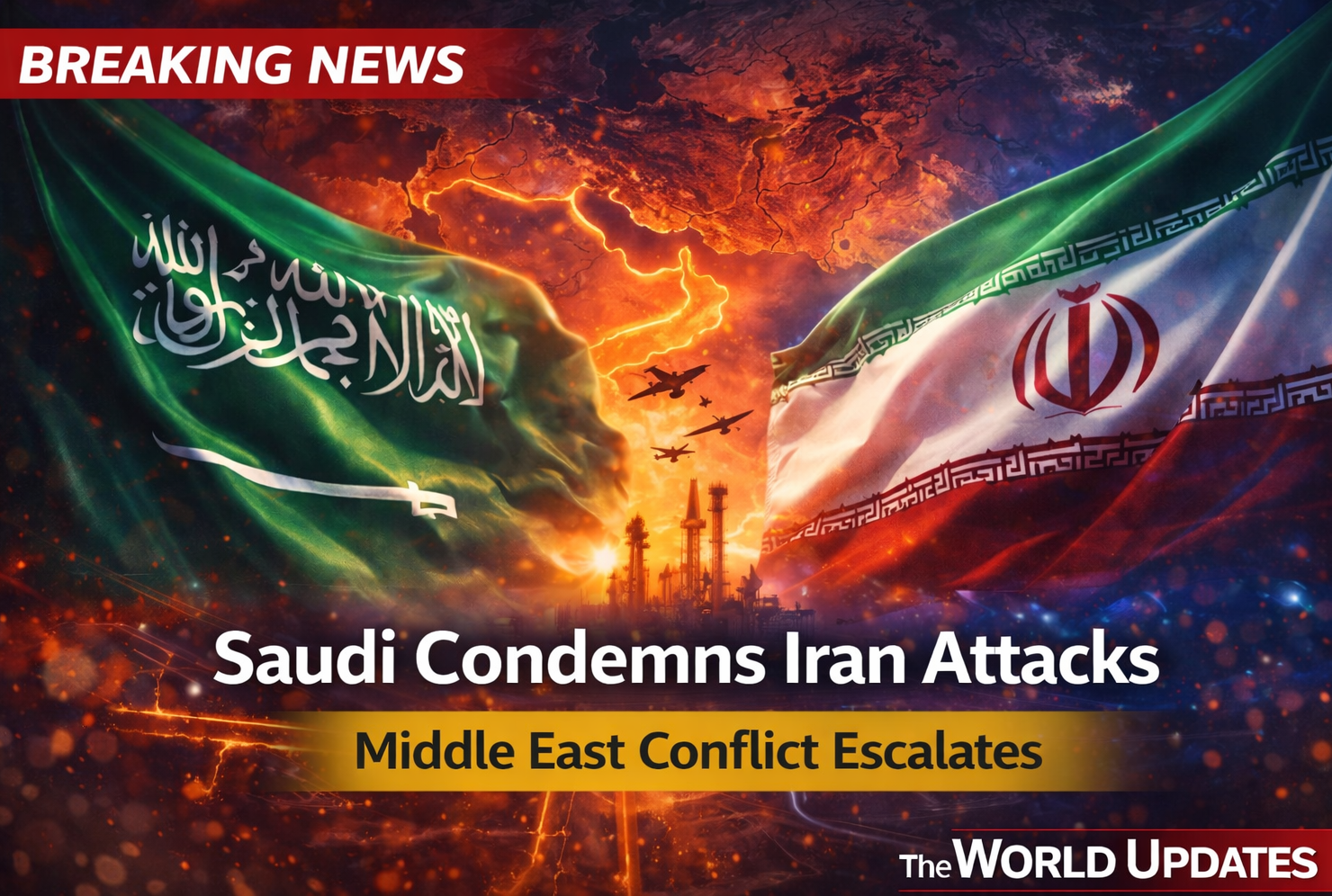
Tensions between Iran, the United States, and Israel have already triggered widespread security concerns across the Middle East.
Several analysts warn that the situation could escalate into a broader regional crisis involving multiple countries.
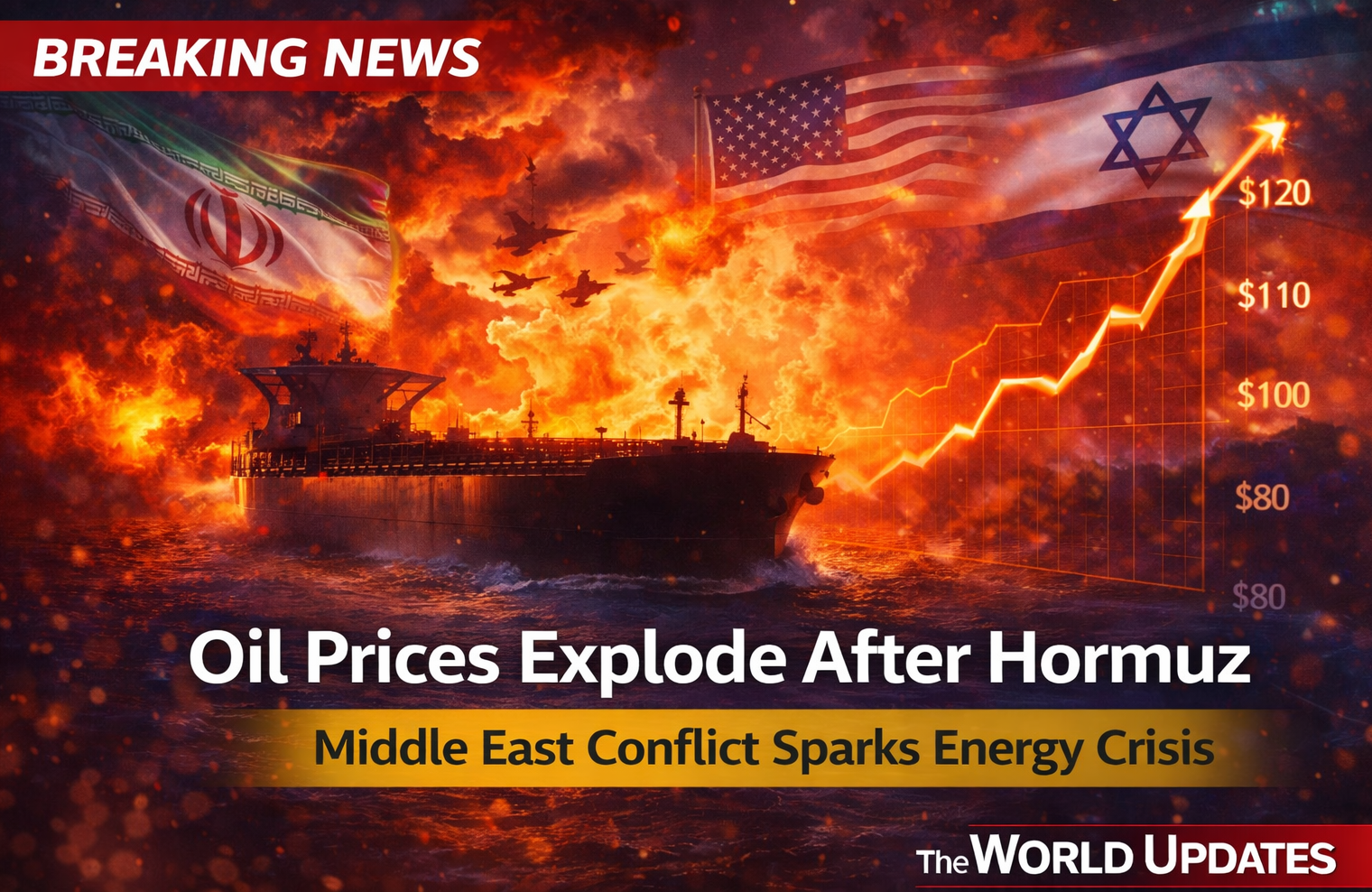
The conflict has already disrupted global energy markets and raised fears of instability in key shipping routes such as the Strait of Hormuz, which handles a significant portion of global oil shipments.
Any prolonged instability in the region could have major implications for global trade, energy supplies, and international security.
Global Powers Closely Watching Iran’s Next Moves
International observers are now closely watching how Iran’s new leadership will shape the country’s political and military strategy.
Experts say Mojtaba Khamenei’s early decisions could influence Iran’s diplomatic relations, regional alliances, and response to ongoing geopolitical tensions.
The coming months may prove critical for both Iran and the wider Middle East as global powers attempt to prevent further escalation.
For now, Russia’s public support signals that Tehran continues to have influential allies on the international stage.